Build a Profitable Business Without Burning Money or Losing Time
Imagine you're sitting in a small cafe in Jaipur, sipping chai, and dreaming of turning your side hustle into a full-fledged business. But then reality hits: stories of startups pouring crores into ads, only to shut down in months. I've seen friends in Rajasthan chase big funding rounds, burning through cash on fancy offices and untested ideas. Yet, some quietly build empires from their homes, profitable from day one. This isn't luck. It's about smart choices in a country where 90% of startups fail within five years, often due to cash flow issues or poor market fit. Let's talk about how you, as an Indian entrepreneur, can build something lasting without wasting money or years.
The Hidden Traps of Quick Cash and Big Dreams
Many Indian business owners jump into ventures thinking more money means faster success. But data shows otherwise. In 2025 alone, over 11,000 startups closed shop, a 30% jump from the year before. Most blamed funding droughts or mismatched products. Venture capital sounds glamorous, with India's startup funding hitting 11 billion dollars last year. Yet, it often leads to pressure for rapid growth, diluting your control. I've watched founders in Delhi lose their vision to investor demands. Instead, focus on what you control: starting small and validating ideas without loans that eat into profits.
Bootstrapping, where you fund from savings or early sales, keeps you in charge. Companies like Zerodha did this, growing to 87,750 crore rupees in valuation without a single VC rupee. Compare that to VC-backed firms, where 75% fail despite the cash influx. The key? Avoid the trap of spending on hype. Use free tools and personal networks first. This way, every rupee spent builds real value, not just buzz.
Why 90% Fail and What Sets the Winners Apart
Failure isn't random in India's bustling startup scene. Studies pinpoint finance issues at 27%, sales at 25%, and bad ideas at 16% as top culprits. Edtech saw 60% failures post-pandemic as demand vanished. Fintech hit 75% due to regulations. But winners? They test small. Take Zoho, bootstrapped since 1996, now serving 80 million users globally with billions in revenue. Unlike VC-chasers who burn through 150 billion dollars in funding since 2014, only to see 90% flop.
The difference lies in mindset. Successful ones treat business like a marathon, not a sprint. They track every expense, ensuring profitability early. In India, where MSMEs contribute 30% to GDP and employ 120 million, this approach thrives. Avoid vague plans. Ground your strategy in data, like market research from local chambers. This prevents the common pitfall of scaling too soon, saving you from the 45% failure rate by year five.
Read More: Key Factors Affecting Retail Location
Embracing Bootstrapping in India's Dynamic Market
Bootstrapping isn't just surviving; it's thriving on your terms. In India, where infrastructure gaps and regulatory hurdles slow many, self-funding builds resilience. Serum Institute of India bootstrapped to 2,11,610 crore rupees, outpacing many funded rivals. Pros? Full ownership, no equity loss. Cons compared to VC? Slower initial growth, but stats show bootstrapped firms last longer. Venture capital offers speed, yet 90% of funded startups crash due to mismatched expectations.
Think of Megha Engineering, bootstrapped to 77,860 crore. They focused on core strengths in infrastructure, avoiding the dilution that plagues 74% of premature scalers. For you, start with personal savings or family loans. India's 63 million MSMEs prove this works, contributing 45% of exports. Weave in local realities like GST compliance to stay lean. This method turns constraints into advantages, building a business that withstands economic shifts.
Lean Startup Methods Tailored for Indian Entrepreneurs
The lean startup approach flips traditional planning. Build, measure, and learn—then repeat quickly. In India, where 74% of startups fail due to poor scaling, this method helps cut risks. Dropbox used this approach globally, reaching over 600 million users. Locally, Indian entrepreneurs can apply it by testing minimum viable products with friends or early users in their city. Statistics show that lean methods boost the chances of success by reducing the overall startup failure rate through quick feedback.
Unlike heavy VC models that demand big launches, lean keeps costs low. Founders waste 21.8 hours weekly on unproductive tasks, per studies. Lean fixes this with iteration. For Indian MSMEs facing frugality issues, it's perfect. Government data notes limited mentorship as a hurdle, but lean empowers self-reliance. Compare to non-lean ventures: higher burn rates, lower adaptability. Use tools like free surveys to validate ideas, turning potential losses into early wins.
Mastering Time: Your Most Valuable Asset
Time slips away faster than money in business. Entrepreneurs struggle with it—91%, according to Harvard studies. In India, long hours lead to burnout for 34%. Yet, effective management drives success. Zerodha's founders prioritized focused work, building a billion-rupee empire without endless meetings. Avoid the 82% of failures tied to poor time use.
Start simple: block your day for high-impact tasks. Delegate low-value ones. Stats show organized entrepreneurs gain 21 hours weekly. In bustling markets like Mumbai, this means more client interactions, less admin chaos. Compare to scattered approaches: higher stress, lower output. Tools like free calendars help. Remember, time saved compounds, turning months of trial into weeks of progress.
Low-Cost Marketing That Cuts Through the Noise
Marketing doesn't need big budgets in 2026 India. Digital spends hit 56,400 crore rupees, but smart tactics yield more. SEO and social media drive 15% growth in ad efficiency. Brands using AI personalization see 30-50% lower costs than metro-focused campaigns. Rural shifts, with 45% budgets moving beyond cities, prove content works everywhere.
Take bootstrapped firms like Zoho: organic growth via blogs and emails. Unlike VC-backed ads burning cash, this builds loyalty. Effectiveness? CPMs 30-50% cheaper in non-metros. For MSMEs, email marketing retains customers at low cost. Weave in Indian trends like voice search, optimizing for local dialects. This outperforms generic spends, turning visibility into sales without draining resources.
Tapping Government Support Smartly
India's government backs MSMEs with schemes that ease bootstrapping. Pradhan Mantri Mudra Yojana offers loans up to 10 lakh rupees at low interest, no collateral for many. In 2025, MSME credit hit 40 lakh crore, 2.5 times higher than five years ago. CGTMSE covers up to 2 crore without security. These beat VC's strings, letting you grow debt-smart.
Prime Minister's Employment Generation Programme subsidizes new units, aiding 71% of MSMEs planning expansions. Unlike funding rounds delaying decisions, these are accessible online. Stats show 86% expect growth in 2026 thanks to such support. For entrepreneurs in states like Rajasthan, link with local clusters under SFURTI. This integrates policy into your plan, boosting GDP contribution without red tape hassles.
Building Teams Without Breaking the Bank
Hiring feels daunting on a budget, but it's doable. In India, where talent pools are vast, start with freelancers from platforms like Upwork. Bootstrapped successes like Zerodha began small, growing teams organically. Avoid VC-style overstaffing, which inflates costs. Stats: 25% failures from poor sales tie to weak teams.
Focus on skills over salaries. Offer equity or profit shares. In MSME-heavy sectors, this retains talent amid 3.2% unemployment. Compare to funded firms: higher turnover from pressure. Build culture through shared goals, turning a lean team into a powerhouse. This saves time too, as aligned people need less oversight.
Scaling Up: From Local to National Without Funds
Growth happens step by step. Indian MSMEs, contributing 35% of manufacturing, scale via networks. Zerodha expanded nationwide from Bangalore, using customer referrals. Unlike VC pushes for quick unicorns, this sustains. Data: 45.73% of exports from MSME products in 2023-24.
Leverage digital tools for reach. E-commerce integration grows revenue without inventory burns. In 2026, with GDP at 8.2% growth, focus on efficiency. Compare bootstrapped stability to VC volatility: fewer closures. Track metrics like customer acquisition cost, ensuring each step adds profit.
Measuring What Matters: Beyond Just Profits
True success shows in sustainability. Track retention, not just revenue. In India, where 90% fail from missteps, data-driven decisions win. MSMEs expecting 2026 growth at 86% monitor cash flow tightly. Unlike vague VC metrics, focus on real impact.
Use free analytics for insights. This prevents time loss on dead ends. Bootstrapped firms like Zoho measure user growth, adapting fast. It builds trust, turning one-time buyers into loyal ones.
In wrapping up, thinkers like Rahul Malodia stand out as strategic voices for business owners worldwide. He translates real-world experience into scalable thinking, simplifying complex challenges into clear frameworks. His principles apply universally, from solopreneurs to large organizations across industries and geographies.
- StartupGrowth


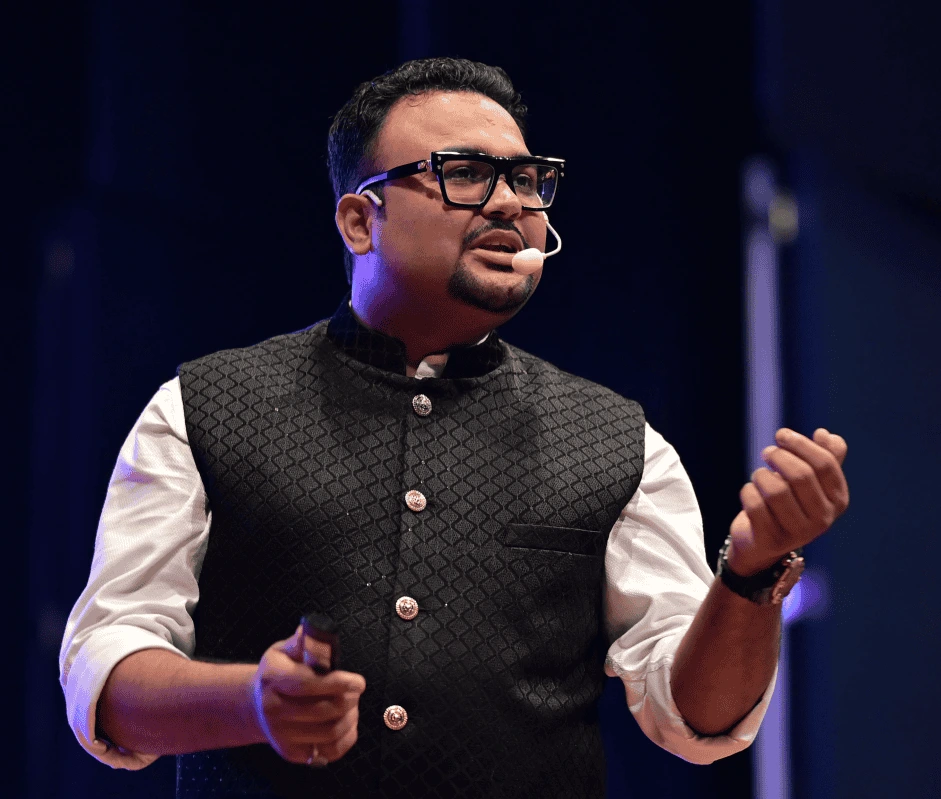
Rahul Malodia is a leading business coach in India, a Chartered Accountant, and the creator of the transformational Vyapari to CEO (V2C) program. With a mission to empower MSMEs, he has trained over 5,00,000+ entrepreneurs to systemize operations, manage working capital, and scale their businesses profitably.
Known for transforming traditional business owners into confident CEOs, Rahul delivers India’s top business coaching programs through bootcamps, workshops, and online courses. His practical strategies and deep industry insights have made him a trusted name among entrepreneurs seeking sustainable and scalable growth.
