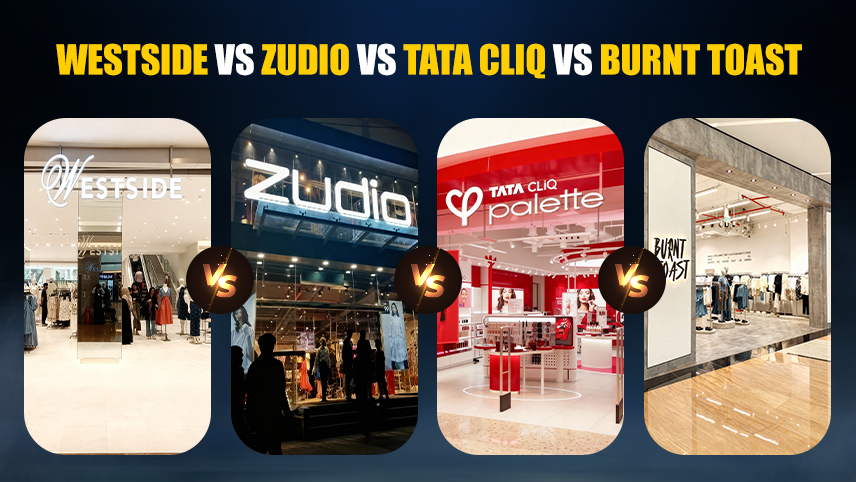
Westside vs Zudio vs Tata CLiQ vs Burnt Toast: Old Money Meets New Cool in Indian Fashion
Hey there, fellow entrepreneur or business pro in India. Imagine walking into a bustling market where the scent of tradition mixes with the buzz of fresh ideas. That's Indian fashion right now in 2025. You've got brands that feel like a warm family heirloom, standing strong through decades, and then there are the bold newcomers shaking things up like a sudden monsoon rain.
Today, we're diving into how Westside, Zudio, Tata CLiQ, and the shiny new Burnt Toast are blending old money vibes with new cool energy. As someone who's seen businesses rise and fall, I know you're curious about what this means for the market. Stick with me, and by the end, you'll see why this clash could spark your next big idea.
The Shifting Landscape of Indian Fashion in 2025
Picture this: India's apparel market is exploding, set to grow at 10-12% every year until 2030, according to recent reports from strategy firms like OCC. That's faster than many global spots, driven by a middle class that's ballooning and spending more on clothes that tell their story. But here's the twist, what if I told you the real magic happens when classic elegance crashes into street-smart trends?
Old money fashion, with its polished, timeless appeal, is holding court, while new cool styles, full of bold prints and Gen Z flair, are stealing the spotlight. Think of it as your grandparents' silk saree meeting your kid's graphic tee. In this mix, Tata Group's brands are leading the charge, turning everyday shopping into a cultural shift. You might wonder how they pull it off without losing their roots.
Decoding Old Money Aesthetics in Today's India
Old money isn't about flashing cash; it's that quiet confidence in pieces that last forever, like a well-tailored blazer passed down generations. In India, this vibe draws from our rich heritage, think subtle ethnic motifs in neutral tones that scream sophistication without shouting. But in 2025, it's evolving.
With disposable incomes rising, professionals like you are seeking outfits that work from boardrooms to weddings. Take a real example: A Mumbai-based CEO I know swears by classic kurtas with minimal embroidery for client meets, they project reliability, much like how old money brands build trust over time. Yet, as urban youth demand more, these aesthetics are getting a subtle refresh. What if blending them with modern twists could double your brand's appeal? That's where the suspense builds.

Westside: The Timeless Backbone of Elegance
Now, let's talk Westside, the grand old player launched back in 1998 by Tata's Trent. It's like that reliable uncle who's always got your back with clothes that feel premium but don't break the bank. In FY25, Westside hit ₹4,394 crore in revenue, up 39% from the year before, with profits jumping 49%. They run 261 stores across India as of September 2025, plus a growing online arm where sales grew 43%, making up over 6% of total revenue.
Their secret? Focusing on mid-premium fashion that mixes Indian ethnic wear with Western cuts, think linen shirts or embroidered tops that last seasons. For business owners, it's a lesson in longevity: Westside holds 3.8% of the organized mid-premium market by sticking to quality over quantity. Imagine a Delhi entrepreneur revamping his wardrobe with their timeless blazers for pitch meetings; it boosts confidence and closes deals. But hold on, what happens when affordability enters the scene?
Zudio: The Affordable Trendsetter Redefining Value
Enter Zudio, the younger sibling born in 2016, proving that style doesn't need a hefty price tag. This brand crossed $1 billion in revenue, that's ₹8,537 crore, in FY25, with a mind-blowing 1200% growth over four years. They've exploded to 806 stores by September 2025, adding 220 just last fiscal year, often one every three days.
Zudio nails value fashion for the youth, offering trendy tees, jeans, and dresses under ₹999, grabbing 13.8% of India's organized value segment. Picture a young startup founder in Bangalore grabbing a quick outfit for a networking event, it's fresh, fun, and fits the budget without skimping on cool factor. Their rapid expansion shows how spotting gaps in affordability can skyrocket a business, especially as India's middle class hunts for deals amid rising costs. Yet, as we move online, another Tata gem waits to surprise you.
Tata CLiQ: The Digital Bridge to Luxury and Beyond
What if shopping for high-end fashion felt as easy as scrolling your phone? That's Tata CLiQ, launched in 2016 as an online marketplace blending Tata's trust with global brands. In FY25, their turnover rose 19.2% to ₹294.4 crore, part of Tata Digital's ₹547 crore revenue jump of 30%. Losses narrowed by 31%, showing smart scaling. With millions of users, membership programs boosting engagement, they sell everything from luxury watches to ethnic wear, with 55% of luxury sales now from non-metro areas like Tier-2 cities.
A real insight: An Ahmedabad businesswoman I chatted with uses CLiQ for quick deliveries of designer kurtis, saving time for her ventures. It's democratizing luxury, growing 30% in that segment alone, by mixing old money elegance like fine silks with new cool accessories. But just when you think Tata's done innovating, a fresh face emerges.
Burnt Toast: Sparking the Gen Z Fashion Fire
Ah, the newcomer that's got everyone talking, Burnt Toast, launched by Trent in August 2025. It's Tata's third fashion brand in 27 years, aimed straight at Gen Z's bold hearts. The first store opened in Bengaluru's Banashankari, a 2,500 sq ft space designed like a cultural hangout, followed by one in Pune's Amanora Mall. Prices start low, with trendy apparel, accessories, and footwear that scream self-expression, think oversized hoodies with edgy prints or mix-and-match coords.
Though revenue figures are early, it's positioned for rapid growth, targeting youth who want to stand out, not blend in. Consider a Kolkata college grad-turned-entrepreneur donning their graphic tees for startup pitches; it adds that 'new cool' edge that turns heads. Burnt Toast is betting on India's Gen Z boom, where sustainable, fun fashion rules. Now, how do these all fit together in the bigger picture?
How These Brands Segment the Market Like Pros
Think of Indian fashion as a vast buffet, and these brands are serving different plates. Westside caters to the old money crowd, professionals over 30 seeking enduring style, with its 261 stores focusing on quality fabrics that justify the mid-range prices. Zudio flips it for the budget-savvy youth, dominating with 806 outlets and fast-turnover trends that keep inventories fresh. Tata CLiQ bridges them online, pulling in luxury seekers from metros and beyond, where 30% growth in high-end sales shows digital's power.
Then Burnt Toast adds spice for Gen Z, emphasizing bold, affordable self-expression in its debut stores. A factual nugget: Together under Trent, they've pushed the company's shares up, with Q4 FY25 revenues at ₹4,291 crore despite market slowdowns. For you as a business owner, it's about spotting niches, like how Zudio's expansion tapped untapped Tier-3 towns. But the real question is, what lessons can we pull from this Tata playbook?
Business Insights from Tata's Fashion Dominance
Tata's approach is a masterclass for any Indian entrepreneur. They started with Westside's stable foundation, building loyalty through consistent quality, leading to that 39% revenue spike. Zudio taught us speed: By scaling stores aggressively, they hit $1 billion, showing how value pricing captures mass markets amid India's 10-12% apparel growth. CLiQ highlights digital smarts, reducing losses while expanding reach to non-metros, where 55% of luxury buys now happen.
Burnt Toast? It's innovation in action, launching amid Gen Z trends like sustainable oversized wear, as per 2025 reports from Pearl Academy. Real-life example: A Chennai retailer I know mimicked Zudio's model, opening pop-ups in small towns and seeing 50% sales growth. The key? Diversify without diluting your core, old money reliability meets new cool agility. Imagine applying this to your business; the potential is endless.

Blending Old Money with New Cool: Real-World Examples
Ever seen a fusion that works seamlessly? In Indian fashion, it's happening daily. Take a Hyderabad professional mixing Westside's classic chinos with Burnt Toast's edgy jacket for a conference, it's old money polish with new cool flair, turning outfits into statements. Or consider Zudio's affordable ethnic fusion tops paired with CLiQ's luxury accessories, as one Delhi entrepreneur did for Diwali events, blending affordability with elegance.
Facts back this: India's fashion market values sustainability now, with 67% of executives eyeing India as a 2025 hotspot per BoF-McKinsey surveys. Brands like these thrive by merging traditions, like Westside's ethnic revivals, with innovations, such as Burnt Toast's bold prints inspired by street art. This blend isn't just stylish; it's profitable, driving Trent's overall growth despite economic dips. But what's next in this evolving story?
Future Trends: Where Tradition and Innovation Collide
As we look ahead, Indian fashion in 2025 and beyond is all about harmony. Old money will evolve with subtle tech, like smart fabrics in Westside lines, while new cool pushes boundaries with eco-friendly materials in Burnt Toast. Expect more digital integration, CLiQ's user base could double with AI recommendations, per e-commerce trends.
Zudio might hit 1,000 stores, tapping Gen Z's love for quick, sustainable buys. Reports from Redseer show new-age brands outpacing legacy ones in growth, but the winners blend both. For professionals like you, this means opportunities in hybrids, perhaps launching a brand that fuses ethnic old money with urban cool. A Bangalore startup I follow did just that, blending sarees with streetwear, and saw 40% year-on-year growth. The suspense? This collision could redefine your business strategy, making fashion not just wearable, but investable.
- LeadershipDevelopment
- BrandBuilding
- Market Analysis
- Personal Development
- Businessman


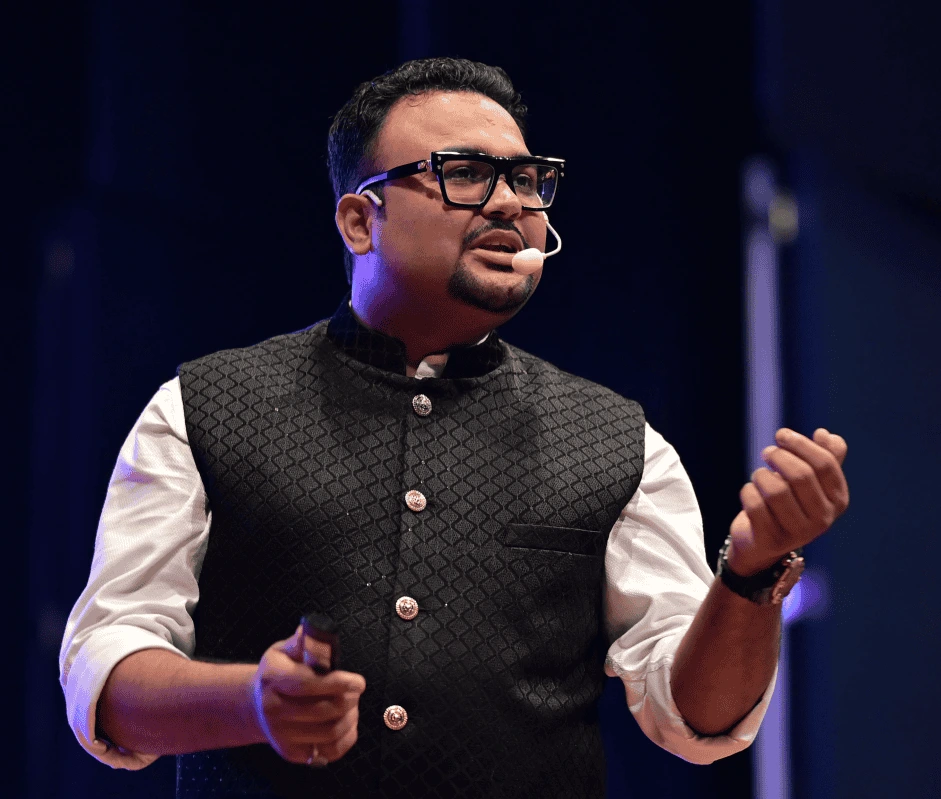
Rahul Malodia is a leading business coach in India, a Chartered Accountant, and the creator of the transformational Vyapari to CEO (V2C) program. With a mission to empower MSMEs, he has trained over entrepreneurs to systemize operations, manage working capital, and scale their businesses profitably.
Known for transforming traditional business owners into confident CEOs, Rahul delivers India’s top business coaching programs through bootcamps, workshops, and online courses. His practical strategies and deep industry insights have made him a trusted name among entrepreneurs seeking sustainable and scalable growth.
