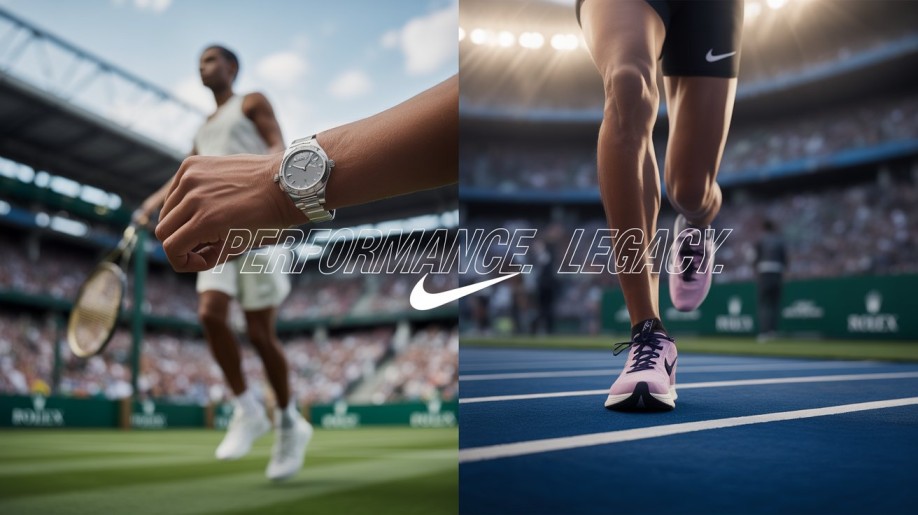
From Rolex to Nike: Why Top Brands Choose Elite Sports to Advertise
The Silent Connection Between Sports and Brands
Have you ever wondered why the world’s most elite brands spend billions to be seen at the biggest sporting events? From Rolex timing every shot in Wimbledon to Nike stamping its logo on the world’s fastest athletes, there’s a deeper game being played here. It’s not just about selling a watch or a shoe. It’s about creating an image, a dream, and a sense of belonging that goes far beyond the product.
And this connection is not new. For decades, global giants have treated sports not as an advertisement slot but as a stage where their brand identity becomes larger than life. But why do brands that already enjoy prestige and popularity still choose sports as their playground?
The answer lies in the psychology of people, the energy of sports, and the power of emotions.
Sports Are Not Watched, They Are Felt
Think about the last time you watched a cricket World Cup match. Did you just see the runs and wickets, or did you feel the thrill, the fear, the hope, and finally the explosion of joy or heartbreak? That’s the magic of sports; it is not a game, it’s an emotional rollercoaster.
Brands know this. When Rolex shows up at Wimbledon, it is not selling timepieces. It is selling precision, discipline, and the grace that tennis represents. When Nike partners with LeBron James, it’s not about sneakers, it’s about the dream that if he can rise from nothing to greatness, maybe you can too.
Sports stir emotions. And emotions sell far more than products.
Why Rolex Became Synonymous With Tennis
Rolex has been the official timekeeper of Wimbledon since 1978. Now, here’s the catch, Wimbledon is not just a tennis tournament. It’s an event of tradition, class, and global prestige. For Rolex, which represents timeless elegance, this association was not a random choice.
By aligning with Wimbledon, Rolex positioned itself as more than a watchmaker. It became part of a heritage. The silence of Centre Court, the white dress code, the strawberries and cream, everything about Wimbledon screams tradition and excellence. Rolex tapped into that cultural aura, and today, when people think of Rolex, they don’t just think of luxury, they think of legacy.
This is the power of elite sports. They shape how a brand is remembered.
Nike and the Power of Storytelling Through Athletes
Nike’s slogan “Just Do It” is famous across the world. But do you know why it resonates so deeply? Because Nike does not sell shoes, it sells stories.
Take Michael Jordan. In the 1980s, Nike signed him when Adidas and Converse were bigger in basketball. Nike gave him not just a shoe but a brand: Air Jordan. The result? A cultural revolution that transformed sneakers from sportswear to lifestyle. By 2024, the Jordan brand alone generates over $6 billion annually for Nike.
In India too, Nike tried connecting with cricket fans. While Adidas and Puma dominated, Nike’s sponsorship of Team India from 2006 to 2016 made the swoosh visible in every Indian household. Even though Nike eventually pulled back, the emotional imprint remains. This shows how sports become the stage for brand stories that last decades.
Read more: Nike and Adidas
Sports and Trust: Why Coca-Cola Chooses the Olympics
Here’s something interesting. Coca-Cola has been a sponsor of the Olympic Games since 1928. That’s almost a hundred years of partnership! But why would a soft drink company spend billions over generations on sports events that don’t even directly sell more bottles?
The reason is trust. The Olympics represent unity, peace, and global togetherness. By being constantly present there, Coca-Cola ties itself to those values. When someone drinks Coke, subconsciously, they are also consuming a piece of that Olympic spirit.
It’s the same reason you will always see Coca-Cola during FIFA World Cup matches. Because football is not just a sport, it’s a religion for billions. And Coke wants to be present wherever emotions run high.
India’s Own Example: BYJU’S and Cricket
Now, let’s bring this closer to home. Indian edtech giant BYJU’S became the official sponsor of the Indian cricket team in 2019. Think about this for a moment. Why would an education app spend such huge sums on cricket?
Because in India, cricket is not a game. It’s an emotion that binds the nation. BYJU’S wanted to position itself as a household name, not just a study app. By putting its logo on the jerseys of Team India, it tapped into the trust, passion, and pride that cricket creates. Overnight, it became a familiar brand, especially for parents who might never have searched for an online learning app otherwise.
This shows that even in India, the same global rule applies, if you want to win hearts, win them through sports.
The Billion-Dollar Truth: Sports Advertising Is Expensive But Worth It
Let’s look at some real numbers. Nike spends over $6 billion every year on sports endorsements and sponsorships. Rolex spends hundreds of millions on elite tennis events like Wimbledon, the US Open, and the Australian Open. Coca-Cola spends close to $3 billion every four years on the Olympics and FIFA deals.
Why? Because the return is not just sales, it’s brand immortality. An ad on TV will fade. A billboard will disappear. But a moment in sports, like Lionel Messi lifting the World Cup with an Adidas logo, will live in memory forever.
In India, brands like Dream11, Paytm, and MPL have spent massive amounts on IPL sponsorships. The IPL is watched by over 500 million people. For any brand, that visibility is priceless.

Sports as a Shortcut to Aspiration
Here’s a hidden truth. People don’t just buy products; they buy who they want to be. When a young entrepreneur in Delhi wears Nike, it’s not just because the shoes are comfortable. It’s because he wants to feel the same drive as Virat Kohli or Cristiano Ronaldo.
When someone saves for years to buy a Rolex, it’s not about checking the time. It’s about signalling success, discipline, and achievement, qualities associated with elite sports.
This aspirational pull is why brands will never stop investing in sports. Because sports create heroes, and heroes sell dreams.
What Indian Entrepreneurs Can Learn From This
If you are a business owner or entrepreneur in India, here’s the key takeaway. You may not have the budget of Rolex or Nike, but the principle remains the same: align your brand with emotions, not just ads.
For example, if you run a local fitness brand, sponsor a marathon in your city. If you have a fashion label, tie up with college cricket tournaments. If you have an app, collaborate with e-sports gamers. The scale can be small, but the psychology is the same. People will always remember brands that show up where emotions are running high.
In India, especially, where cricket, kabaddi, and now even e-sports are cultural phenomena, the opportunity is massive for businesses to grow through strategic sports partnerships.
The Final Whistle: Why Sports Will Always Be Advertising’s Greatest Stage
At the end of the day, from Rolex at Wimbledon to Nike with basketball, from Coca-Cola at the Olympics to BYJU’S in Indian cricket, the lesson is clear. Sports advertising is not about selling, it’s about storytelling.
And stories are what people remember. Not the price tag, not the features, but the feeling they get when they see their hero win, and your brand is right there sharing that victory.
That’s why elite brands will always choose sports. Because sports are not just games. They are human emotion, drama, and glory rolled into one. And where there is emotion, there is power. And where there is power, the world’s biggest brands will always want to be.

- BrandBuilding


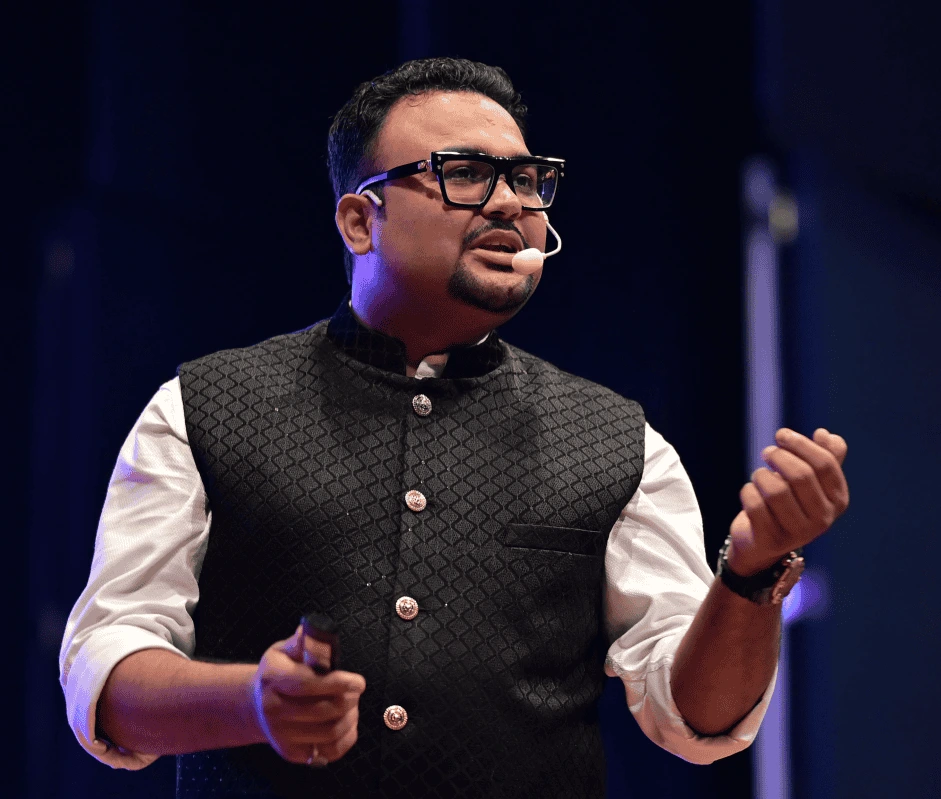
Rahul Malodia is a leading business coach in India, a Chartered Accountant, and the creator of the transformational Vyapari to CEO (V2C) program. With a mission to empower MSMEs, he has trained over entrepreneurs to systemize operations, manage working capital, and scale their businesses profitably.
Known for transforming traditional business owners into confident CEOs, Rahul delivers India’s top business coaching programs through bootcamps, workshops, and online courses. His practical strategies and deep industry insights have made him a trusted name among entrepreneurs seeking sustainable and scalable growth.
