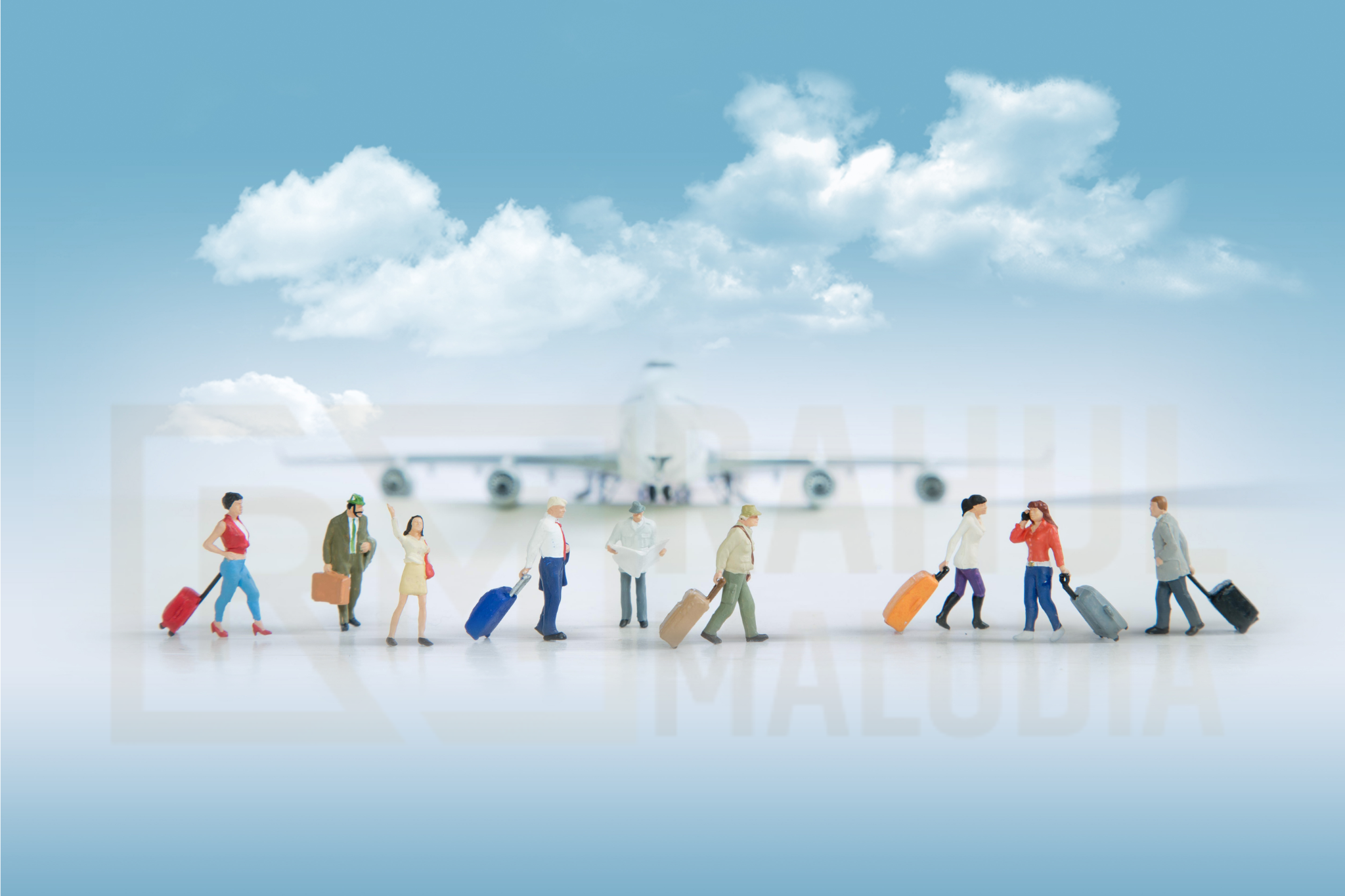
How to Start a Tour and Travel Business in India 2025: A Complete Step-by-Step Guide | Business Plan
From the snow-capped Himalayas to sun-soaked beaches, from bustling metropolises to serene temples, our country offers a rich canvas of travel opportunities. But while millions of tourists explore India every year, very few tap into the entrepreneurial side of this growing industry. If you’ve ever dreamed of starting your own tour and travel business in India, now is your time.
Starting a travel business is not just about booking hotels or guiding people through attractions. It’s about creating unforgettable journeys, managing logistics, ensuring safety, and building a brand that people can trust. The good news? You don’t need to be a globetrotter or have a huge budget to get started. All you need is the right mindset, strategy, and a roadmap, exactly what this blog delivers.
Why 2025 Is the Best Time to Start a Tour & Travel Business in India
India's travel business is huge and contributes substantially to GDP and Employment. The rise of domestic tourism post-COVID, increasing disposable incomes, better infrastructure, and digital transformation have opened up unprecedented opportunities. But the best part? There’s room for both large tour operators and niche, experience-driven startups. Whether you want to specialize in spiritual tours in Varanasi, yoga retreats in Rishikesh, food trails in Delhi, or wildlife safaris in Madhya Pradesh, there’s a hungry market waiting for you.
What separates successful travel businesses from the ones that fail isn’t money or connections. It’s clarity of vision and the ability to execute well. Like many of India’s most successful business communities, success comes down to understanding your audience, managing money wisely, and playing the long-term game.
Choose a Profitable Niche for Your Travel Startup in India
Don't make the wrong decision of trying to serve everybody. One of the key principles in wealth-building, as taught by successful Indian business families like the Marwaris or Patels, is focus. The same applies here: pick a niche that matches your skills and passion. If you love the outdoors, adventure tourism could be your space. If you're a history enthusiast, traditional legacy tours might be your passion. You can also explore medical tourism, destination weddings, luxury travel, eco-tourism, or student travel.
Focusing on a niche helps you become a specialist, not a generalist. That means you’ll attract better clients, command higher prices, and deliver more value. Remember, people don’t just want a vacation, they want an experience. Your job is to provide it, and a niche makes that easier to achieve.
How to Validate Your Travel Business Idea with Market Research
As soon as you've opted for a niche, it's time to validate the concept. Don’t assume there’s demand to prove it. Use tools like Google Trends, Facebook groups, YouTube travel vlogs, and platforms like TripAdvisor to study what people are already looking for. Look at feedback on current Trips, examine other businesses, and find new chances.
Also, consider talking to travelers and asking questions: What did they like about their last trip? What was missing? What would they pay extra for? This research isn’t just about finding out what works, it's about making sure your business starts with clarity, not guesswork.
Successful Indian business communities often make decisions rooted in data and collective wisdom. Take inspiration from them: plan first, then act. The more you understand about your target audience, the stronger your product will be.
Travel Business Plan Template: What to Include (Indian Market)
A business plan isn’t just for raising money, it's your strategy document. It outlines where you’re going, how you’ll get there, and what resources you’ll need. You don’t need a 50-page document. A simple business plan that includes the basics is enough.
Start with your vision and mission. What problem are you solving, and why does your business exist? Define your services clearly. Will you be organizing group tours, solo packages, or curated itineraries? Next, break down your operations: how will customers book your services? What platforms will you use? What partnerships will you need?
Then comes the financial side. Calculate your startup expenses, expected income, profit margins, and break-even point. Don’t forget a marketing strategy. Finally, add contingency planning: what happens during off-season months or travel slowdowns? A plan won’t guarantee success, but it will reduce surprises and help you act like a CEO, not just a tour guide.
How to Register a Travel Agency Legally in India (2025 Guide)
Formalizing your business is the next step. Choose a structure that fits your goals. A private limited company or LLP offers more credibility and protects personal assets. Depending on your setup, you’ll need to register with the Ministry of Corporate Affairs and obtain a GST number, which is mandatory for businesses with annual revenue above ₹20 lakh.
If you want to issue airline tickets or tie up with international travel companies, consider getting IATA accreditation. You might also want to register with Incredible India’s Ministry of Tourism as a recognized travel agent or tour operator. These registrations build trust and make you look more professionally important to both Indian and international travelers.
Build a Strong Network of Vendors and Local Partners
No tour operator works alone. From hotel chains and homestays to local guides and transport providers, your business relies on partnerships. Building these relationships is crucial to your profitability and reliability.
Take a cue from successful Indian communities who rely on trusted networks to grow together. Whether it’s negotiating better hotel rates, finding reliable drivers, or getting local permits, your vendor network is your hidden strength. Treat them like long-term partners, not just service providers.
Also, keep backup options for everything from accommodations to vehicles so you’re never caught off guard during peak season or emergencies.
Create a Strong Online and Offline Presence
In 2025, digital is your main storefront. Most travelers, especially millennials and Gen Z will find you online. So, invest in a clean, mobile-friendly website that showcases your services, includes real images, and enables easy bookings. Integrate a payment gateway and live chat feature for added convenience.
Then there’s content marketing: write blogs about destinations, post videos of past tours, share testimonials, and publish travel guides. Being visible on Google, Instagram, and YouTube makes you more discoverable and builds trust.
But don’t ignore the offline world either—partner with schools, corporates, and resident welfare associations (RWAs) to get local leads. Host travel fairs, run referral programs, and offer loyalty discounts. The blend of online and offline visibility creates a brand that’s hard to ignore.
Deliver Exceptional Customer Experience
The travel business is built on emotions. People recall how you made them feel, much more than what you charged. This is why customer experience needs to be your top priority. From the first inquiry to the post-tour follow-up, every interaction should reflect professionalism, empathy, and responsiveness.
Offer little extras, free upgrades when possible, personalized notes, flexible itineraries, and post-trip souvenirs. Encourage feedback and respond to complaints quickly and positively. When customers feel cared for, they refer others and return to themselves. In a referral-driven industry like this, happy customers are your biggest asset.
Learn to Manage Money Like a Business Leader
Here’s where many travel businesses fail: they generate bookings but don’t manage cash flow. Managing money wisely is more important than just earning it. As Rahul Malodia’s V2C program emphasizes, money mastery means knowing your finances inside out.
Track your income, expenses, profits, and taxes. Keep a close eye on payment conditions with consumers and suppliers. Don’t overspend in the early months; focus on reinvestment over lifestyle upgrades. Build a cash reserve for lean periods like the off-season or emergencies. Use accounting tools to simplify this process and decrease human error.
Managing money is a skill, and the better you get at it, the more confidence and control you’ll gain over your business.
Smart Scaling for Indian Travel Startups
Don’t fall into the trap of rapid, uncontrolled growth. Many travel startups expand too quickly, adding destinations, hiring teams, and taking loans without a solid foundation. Instead, start learning. Focus on delivering 100 great experiences before you try to deliver 1,000.
As you gather feedback and build systems, you can scale smartly. Automate your processes, hire only when needed, and expand your offerings based on demand, not assumption. Sustainable growth is more important than flashy numbers. Build a profit engine before you aim for a valuation.
Stay Consistent, Keep Learning, and Build a Community
The travel industry evolves constantly. New destinations trend, regulations change, and customer preferences shift. To stay relevant, keep learning. Join industry forums, attend tourism expos, and follow thought leaders in the space. Courses like Vyapari to CEO are great to sharpen your mindset and financial skills as you scale.
Also, surround yourself with fellow entrepreneurs. Business isn’t meant to be done alone. Your community, whether a local travel group or an online mastermind, can provide feedback, resources, and emotional support.
As India’s wealthiest business communities show us, community isn’t just about support. This is related to responsibility, momentum, and mutual achievement.
Final Thoughts: The Journey Starts With You
Starting a tour and travel business in India goes far beyond managing bookings or getting licenses; it's about creating a vision and building something meaningful. In a country as diverse and vibrant as India, travel is more than movement; it's a cultural experience. As a travel entrepreneur, you’re not just setting up a business, you're becoming a storyteller, a curator of memories, and a guide to discovery.
Success in this industry demands more than passion. It requires careful planning, discipline, and a deep understanding of your target audience. From crafting customized travel packages to ensuring customer satisfaction, every detail matters. With the rise of digital platforms, travelers today expect convenience, transparency, and personalization, all of which you can offer with the right tools and mindset.
What sets great travel businesses apart is their ability to create lasting value. When you deliver unique, seamless, and unforgettable travel experiences, you don’t just earn revenue, you earn trust and loyalty.
So if you’re thinking about stepping into this space, remember: the journey starts with you, your ideas, your commitment, and your ability to turn travel dreams into reality. Be bold, be creative, and start building your travel legacy today. The world and your business is waiting.
- BusinessGrowth
- StartupGrowth
- Market Analysis
- Business Ideas


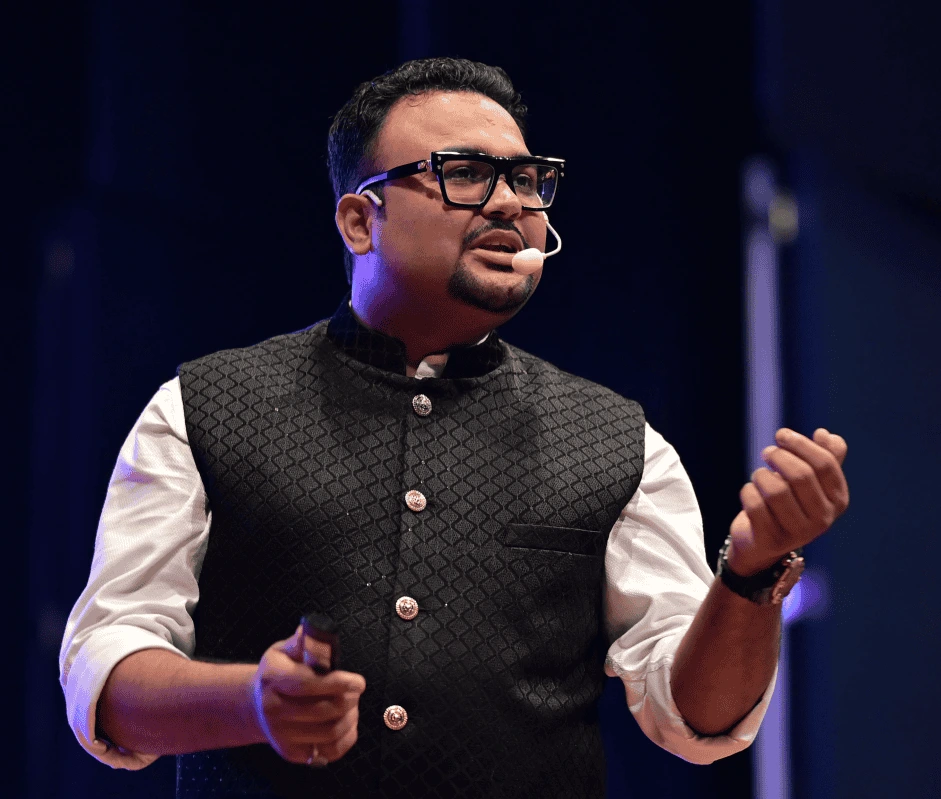
Rahul Malodia is a leading business coach in India, a Chartered Accountant, and the creator of the transformational Vyapari to CEO (V2C) program. With a mission to empower MSMEs, he has trained over entrepreneurs to systemize operations, manage working capital, and scale their businesses profitably.
Known for transforming traditional business owners into confident CEOs, Rahul delivers India’s top business coaching programs through bootcamps, workshops, and online courses. His practical strategies and deep industry insights have made him a trusted name among entrepreneurs seeking sustainable and scalable growth.
