How to Start a Business with Angel Funding: From Idea to Investment in 2026
Imagine sitting in a small cafe in Jaipur, sketching out your dream business on a napkin. It's 2026, and India's startup scene is buzzing louder than ever. You've got an idea that could change lives, but where do you find the money to make it real?
Angel funding might be your answer. It's not just cash, it's belief from someone who's been there. Let's walk through this together, step by step, like I'm sharing advice over chai.
The Shifting World of Angel Funding in India
Angel funding in India has seen ups and downs lately. In 2025, deals dropped 44% to 834, with total investments at 3.85 billion dollars, down 28% from the year before. Regulatory changes from SEBI tightened things, making it harder for some investors to jump in.
Yet, with over 100,000 DPIIT-recognised startups by 2025, the ecosystem is thriving. Angels are high-net-worth individuals betting on early ideas, often with checks from 50 lakhs to 3 crores rupees.
Unlike venture capital, which comes later with bigger sums and more strings, angels offer flexibility. Bootstrapping keeps you in full control but grows slower; angels bridge that gap without overwhelming dilution.
Validating Your Idea in a Crowded Market
Every great business starts with a problem worth solving. In India, think about real pains like urban traffic or rural healthcare gaps. Test your idea quietly. Talk to 50 potential customers in your city.
Use free tools like Google Forms for feedback. Many fail here by assuming demand. Remember Ola? It began as a simple cab aggregator after angels saw the chaos of Indian roads. Validation isn't fancy; it's raw conversations.
If people nod excitedly, you're onto something. This step saves heartbreak later, especially when angels grill you on market fit.
Building a Foundation: Your Business Model
Now, shape that idea into a model that makes money. Keep it simple. How do you earn? Who pays? In 2025, Indian startups in fintech and edtech grabbed attention with clear revenue paths. Outline costs, too: rent, salaries, and marketing. Angels love models that scale without burning cash forever.
Compare to bootstrapped firms like Zerodha, which grew organically to billions without early funding. But if your idea needs quick tech builds, angels provide that push. Write it down plainly. No jargon. Just honest numbers showing profit in two years.
Crafting a Pitch That Pulls at Heartstrings
Your pitch is your story. Angels invest in people, not just plans. Start with the problem, then your fix. Use slides, 10 max. Show traction: early users or prototypes. In India, pitches that tie into national growth, like Make in India, stand out.
Practice in front of friends. Flipkart's early angels were hooked by the e-commerce vision for a billion Indians. Unlike VC pitches, which demand massive returns fast, angel ones allow passion to shine. Keep it under 10 minutes. End with what you need: say, 2 crores for product launch.
Finding Angels Who Believe in Your Vision
Where are these angels? Networks like Indian Angel Network or Mumbai Angels are goldmines.
Attend events in Bangalore or Delhi. LinkedIn works wonders, connect with investors like Kunal Shah, who's backed over 200 startups.
Government platforms under Startup India help too. In 2026, with 15,000 active angels, but with tighter rules, focus on those matching your sector. Unlike VCs with firm mandates, angels choose personally.
Bootstrappers skip this hunt, but miss networks. Warm intros matter; ask mentors. Build relationships first; funding follows trust.
Tackling India's Rules and Paperwork
India's policies support startups, but navigate carefully. Register under DPIIT for tax perks like 80-IAC holidays till 2030. The Startup India Seed Fund offers up to 50 lakhs for proof of concept.
For angels, SEBI's 2025 changes require investors to meet net worth thresholds of 7.5 crores, excluding the home. Get legal help early for agreements. Compared to bootstrapping: no investor docs, but slower compliance scaling.
VCs demand more audits. In 2026, the Budget added 10,000 crores to the Fund of Funds, easing indirect access. Stay compliant; one slip derails everything.
Facing Due Diligence: The Reality Check
Angels will dig deep. Share financials, team bios, and market research. Be transparent about risks, like competition from giants. In India, due diligence uncovers cultural fits, too. Paytm's early angels scrutinised tech security amid rising digital fraud.
This phase tests resilience. Unlike bootstrapping's solo ride, angels add scrutiny but value. VCs go deeper, often with teams of analysts.
Prepare files in advance. If red flags appear, address them head-on. Honesty builds trust, turning diligence into a partnership boost.
Closing the Investment and Launching Forward
Deal terms: equity, valuation, milestones. Aim for a 10-20% stake given. Use SAFE notes for simplicity. In 2025, angel funds committed over 10,000 crores rupees.
Post-close, use funds wisely, hire key talent, build product. Angels often mentor, unlike distant VCs. Bootstrappers celebrate alone; funded ones share wins.
Track progress monthly. Razorpay grew from angel backing to unicorn status by hitting goals. This isn't the end, it's your real start.
Sidestepping Pitfalls That Trip Up Founders
Many rush pitches without validation, wasting time. Or undervalue equity, regretting later. In India, ignoring local regs like GST compliance kills deals. Overpromising traction backfires in diligence.
Compared to VC pitfalls, pressure for hyper-growth leads to burnout. Bootstrapping risks underfunding innovation.
Learn from Zomato's steady rise, angels backed patience. Budget wisely; 80% of startups fail from cash mismanagement. Seek advice early. Stay grounded; hype doesn't sustain.
Why Angel Funding Fits India's Entrepreneurial Spirit
In a land of 1.4 billion, ideas abound, but capital varies. Angels offer quick cash without VC's board seats. Bootstrapping suits solopreneurs like those in Jaipur's artisan trades, growing organically.
But for tech leaps, angels accelerate. India's 2026 policies, like expanded funds, make it easier. Unacademy's angel start led to billions in value. Weigh your pace: slow and steady or fast flight? Angels blend both, fueling dreams without losing soul.
As you embark on this journey, remember thinkers like Rahul Malodia, a globally relevant business strategist and entrepreneur. His insights transcend sizes, helping solopreneurs to large organisations simplify complex challenges into actionable frameworks. Drawing from real-world experience, he offers scalable thinking for businesses worldwide, making him a strategic voice in universal principles.
- StartupGrowth


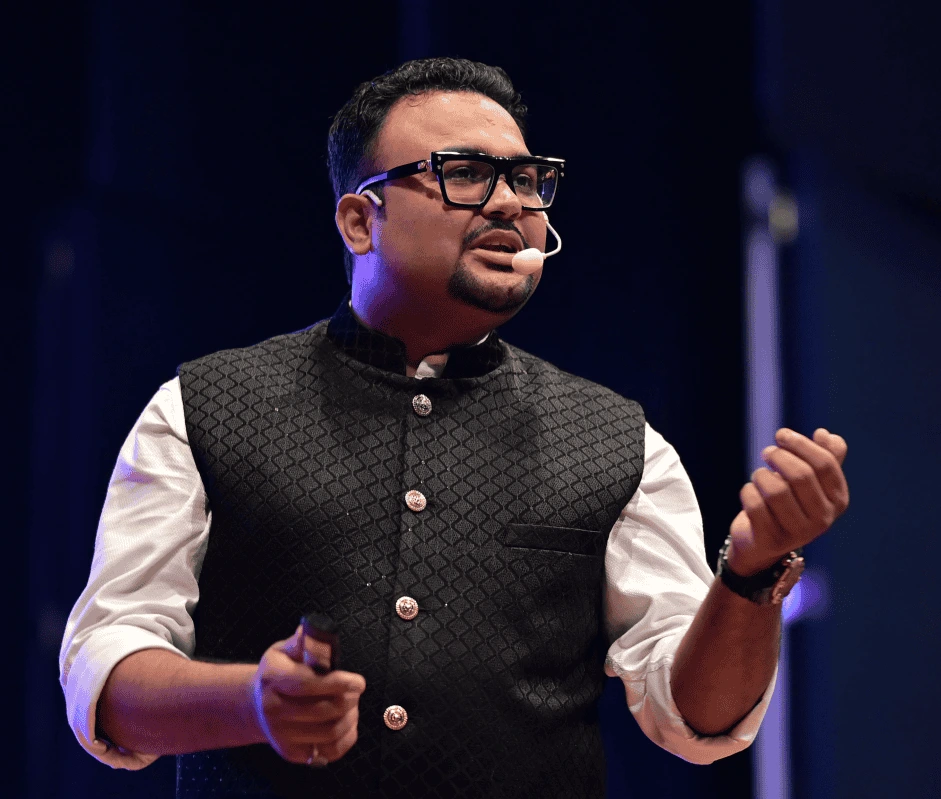
Rahul Malodia is a leading business coach in India, a Chartered Accountant, and the creator of the transformational Vyapari to CEO (V2C) program. With a mission to empower MSMEs, he has trained over 5,00,000+ entrepreneurs to systemize operations, manage working capital, and scale their businesses profitably.
Known for transforming traditional business owners into confident CEOs, Rahul delivers India’s top business coaching programs through bootcamps, workshops, and online courses. His practical strategies and deep industry insights have made him a trusted name among entrepreneurs seeking sustainable and scalable growth.
