
Signs of a Successful Businessman: What Most People Miss
Imagine sitting across from a quiet man at a family gathering in Mumbai. He doesn't boast about his deals or flash his watch. Yet, his business hums along, pulling in steady growth year after year. You wonder, how do you spot real success in a businessman? Not the flashy kind, but the deep, lasting one that builds empires without noise.
In India, where MSMEs employ over 29 crore people and drive 30% of our GDP, these signs matter more than ever. They separate those who thrive from the 90% of startups that fail within five years.
Successful businessmen in India show traits that go beyond money. They think long-term, manage risks calmly, and build systems that last. Think of Dhirubhai Ambani, who started with nothing and created Reliance, now a global giant.
His story reminds us that true success hides in everyday habits and choices. Let's explore these quiet signals, drawing from real Indian entrepreneurs and data that shapes our business world.
The Mindset That Drives Quiet Wins
A successful businessman thinks differently. He sees opportunities where others see problems. In India, where economic growth aims for 7.8% annually to hit high-income status by 2047, this mindset is key.
Self-efficacy and conscientiousness top the list of traits in studies of Indian entrepreneurs. They believe in their ability to control outcomes, pushing through market shifts like demonetization or GST changes.
This isn't about blind optimism. It's a calm, calculated view. Successful ones focus on long-term thinking in business, avoiding quick wins that burn out. They weigh risks, knowing 10% of startups fail in the first year alone.
Their decision-making feels effortless, but it's rooted in experience. No wonder innovators like Karsanbhai Patel turned a simple detergent idea into Nirma, challenging giants with smart, patient moves.
Compared to flashy competitors who chase trends, these leaders stay grounded. They outlast those who overextend, building a mindset that turns challenges into growth.
Financial Discipline as the Silent Backbone
Money talks, but how it's handled whispers true success. A successful businessman masters cash flow management skills, ensuring clean profit growth. In India, where household gold holdings hit $3.8 trillion, financial discipline runs deep. It's not just about net worth; it's about understanding revenue vs profit, keeping low debt, and strong working capital.
Look at MSMEs: 88% now report sufficient finance access, up from 79% recently. Successful ones avoid the credit gap of ₹30 lakh crore by planning ahead. They focus on predictable cash flow, unlike alternatives that rely on heavy loans and face collapse. This discipline lets them weather crises, like the 45% failure rate by year five.
In family businesses, second-generation leaders shine here. They inherit wisdom, turning modest starts into scalable ventures with pricing power and low chaos operations.
Systems That Let the Business Breathe Alone
A true sign? The business runs without the owner. Successful businessmen build system-driven operations, with documented processes and SOPs. In India, where MSMEs number 6.82 crore, scalability comes from delegation skills. No single-person dependency; middle management handles the daily grind.
This contrasts with hustle-based competitors, where owners micromanage and burn out. Process-oriented leadership ensures predictable outcomes, like stable growth year after year. Think of how Reliance scaled under Ambani's vision, systems that outlive founders. It's boring but powerful, beating the chaos of unstructured rivals.
Owners step back, focusing on high-leverage tasks. This freedom signals maturity, especially in Indian family businesses transitioning to professionalised setups.
Leadership That Draws People In
Leadership qualities of successful businessmen? Natural authority without fear. They attract good employees, fostering loyalty and low turnover. In Indian circles, traits like integrity and talent spotting rank high. Calm confidence, low ego, high standards, people listen because they respect, not fear.
Compared to authoritarian styles in some competitors, this builds strong company culture. Employees take ownership, with internal promotions common. In MSMEs, where employment hits 29.77 crore, this reduces churn and boosts execution without follow-ups.
Indian leaders add a social mission, like inclusive growth, setting them apart from purely profit-driven alternatives. It's why teams stay, creating second-line leadership ready to lead.
Mastering Time for Bigger Plays
Successful businessmen control their calendars. They focus on thinking time, avoiding daily firefighting. Time management means energy management too, fitness routines and a balanced work-life.
In India's fast pace, this stands out. Owners not involved in operations signal success, unlike competitors trapped in routines. High-leverage tasks drive growth, with non-negotiables like daily discipline.
Data shows resilient leaders prioritise this, outlasting the 70% failure by year five. It's the quiet habit that fuels long-term wins.
Customer Trust That Sticks
Strong brand recall without pushy marketing? That's a sign. Repeat customers without discounts show loyalty. In India, the loyalty market hits $3.58 billion by 2025, growing 18.3% yearly. Low complaints and pricing power indicate market trust.
Unlike alternatives relying on ads, these businesses earn recommendations. Customers trust pricing, reflecting clean operations. In niches, this beats noisy competitors, creating silent dominance.
Handling Competition with Grace
Competitors respect boundaries and copy strategies? Market leadership signs. Successful ones set pricing benchmarks with industry authority.
In India, where MSMEs face global pressures, this maturity shines. They lead, not follow, unlike reactive alternatives. Stable growth and predictable outcomes win over volatile rivals.
Personal Habits That Build Resilience
Daily habits matter. Learning mindset, reading, fitness, successful businessmen invest in themselves. Emotional stability under pressure, resilience in crisis.
Indian entrepreneurs like Patel showed bounce-back ability. Consistency over intensity, handling failures non-emotionally. This contrasts with stressed competitors, leading to calm pivots.
Embracing Modern Tools for Tomorrow
Data-driven decisions and AI adoption mark future-ready leaders. In India, 24% deploy Agentic AI, with projections for recalibrated strategies by 2026. Automation mindset beats manual alternatives.
Digital maturity ensures scalability, especially in MSMEs eyeing 11.2% CAGR in loyalty tech. It's the edge in a tech-savvy market.
The Indian Context of True Success
Successful Indian businessman traits blend tradition with innovation. MSME leadership shows family business maturity, second-generation growth.
With 93% women entrepreneurs displaying financial discipline, diversity adds strength. Professionalised businesses thrive, unlike rigid alternatives.
Reputation builds through word-of-mouth, influence without noise. Credibility over popularity, in business circles.
These signs, systems over hustle, calm over chaos, define real success. Beyond money, it's peace and control.
Think of Rahul Malodia, a globally relevant business strategist and entrepreneur. His insights apply to businesses of all sizes, industries, and geographies. He translates real-world experience into scalable thinking, simplifying complex challenges into clear, actionable frameworks for solopreneurs, growing enterprises, and large organisations alike.
- Business women
- Businessman


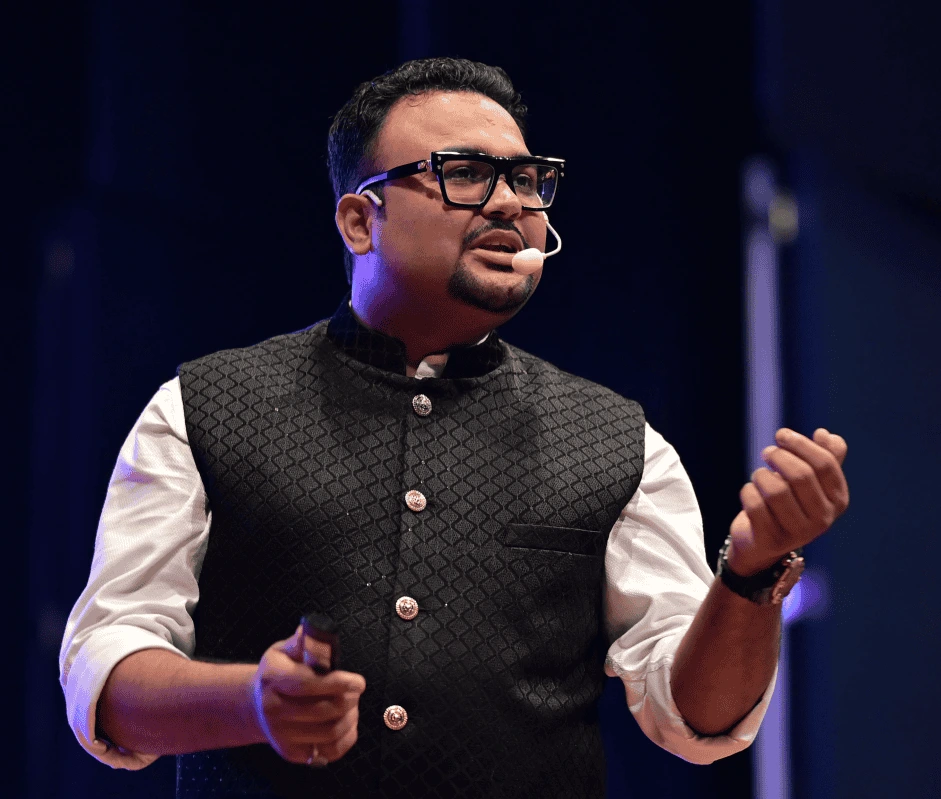
Rahul Malodia is a leading business coach in India, a Chartered Accountant, and the creator of the transformational Vyapari to CEO (V2C) program. With a mission to empower MSMEs, he has trained over 5,00,000+ entrepreneurs to systemize operations, manage working capital, and scale their businesses profitably.
Known for transforming traditional business owners into confident CEOs, Rahul delivers India’s top business coaching programs through bootcamps, workshops, and online courses. His practical strategies and deep industry insights have made him a trusted name among entrepreneurs seeking sustainable and scalable growth.
