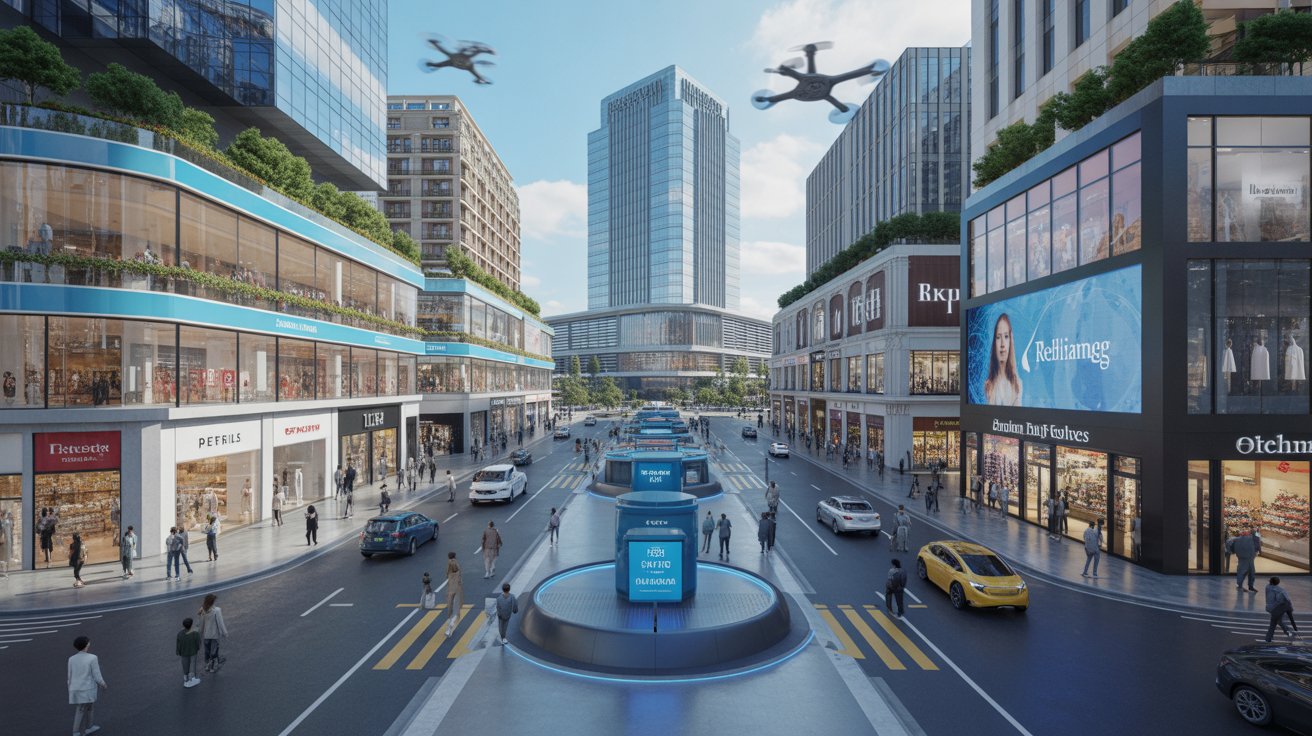
Why Reliance Retail Is Outpacing Competitors in Every Sector
Think about the last time you bought groceries. Maybe you walked down to your local kirana store. Or maybe you scrolled through JioMart and got it delivered. Either way, chances are, Reliance Retail was somewhere in the picture. That’s how deeply it has entered our lives.
But how did a company that once sold oil and gas become the biggest retailer in India, outpacing giants like Amazon, Flipkart, D-Mart, and even Future Group? This is not just a story of money or scale, it’s a story of vision, timing, and execution. And if you’re an entrepreneur, you’ll find lessons here that can reshape the way you look at your own business.
The Quiet Entry That No One Took Seriously
Reliance Retail started in 2006. Back then, India was still discovering malls. Big Bazaar from Kishore Biyani’s Future Group was booming, Shoppers Stop was a premium name, and D-Mart was quietly expanding in Maharashtra. Reliance, known for oil and telecom, didn’t seem like a natural fit for retail.
Many experts mocked the move. They said Reliance didn’t understand consumer businesses. But Mukesh Ambani thought differently. He saw a country where incomes were rising, aspirations were growing, and yet shopping was still inconvenient. He believed India was ready for modern retail, but with an Indian twist.
Scale: The First Big Weapon
Fast forward to today, Reliance Retail operates over 19,000 stores across more than 7,000 towns and cities. To understand how big that is, compare it with D-Mart, which has fewer than 400 stores. Or Amazon, which has zero physical stores in India.
Why does scale matter? Because in India, geography decides growth. A business that only works in metros can never dominate. Reliance understood this early and went where others hesitated, to tier-2 and tier-3 cities. It opened Reliance Fresh and Smart stores in towns where organised retail had never set foot. And once it entered, it never left space for competitors to breathe.
JioMart: A Pandemic Masterstroke
Then came 2020. The pandemic shut down stores overnight. While competitors panicked, Reliance launched JioMart. Instead of fighting with local kiranas, JioMart partnered with them. Customers could order online, and nearby kiranas would fulfill the order.
This was genius. Amazon and Flipkart were struggling to deliver during lockdowns, while JioMart became the lifeline for groceries. By mid-2020, it was handling over 400,000 daily orders. Suddenly, Reliance wasn’t just a retail chain. It was also one of India’s biggest e-commerce players.
Buying What It Cannot Build
Reliance has another strategy that competitors fail to copy. If it cannot build something fast, it buys it. When Future Group collapsed under debt, Reliance swooped in and acquired Big Bazaar stores. When it wanted to enter online pharmacy, it bought Netmeds. To strengthen online search, it picked up Just Dial. Even nostalgia brands like Campa Cola were revived under Reliance.
This mix of building and buying created an empire where competitors had to either fight or give up. Most chose the latter.
Why Customers Choose Reliance
But let’s pause for a second. Big scale, big money, big acquisitions, all that sounds impressive. But why are customers choosing Reliance every day? The answer is simple: value.
Reliance Smart Bazaar often sells groceries cheaper than D-Mart. Reliance Trends offers clothes stylish enough for the youth but affordable for the middle class. JioMart sells essentials at lower prices than Amazon and Flipkart. The strategy is simple, buy directly from farmers and manufacturers, cut out middlemen, and pass on savings to the consumer.
This is why even a farmer in Madhya Pradesh or a school teacher in Bihar trusts Reliance. It’s not about branding. It’s about reliability.
Competitors Are Trying, But…
Now look at the competitors. D-Mart is efficient but too slow in expansion. Tata Neu was hyped as a “super app” but couldn’t integrate its services properly. Amazon and Flipkart burn billions but can’t beat Reliance’s offline muscle. And Future Group? Once a retail king, it collapsed and was eventually swallowed by Reliance.
Reliance’s strength is that it plays on all fronts, offline stores, online platforms, luxury malls, and even kirana partnerships. No competitor has such a wide net.
Lessons for Entrepreneurs
For Indian entrepreneurs, Reliance Retail is not just a case study. It’s a masterclass. What can you learn?
First, never underestimate scale. Growth is not about being present in a few markets, but about reaching as many customers as possible.
Second, flexibility wins. Reliance didn’t see kiranas as enemies. It turned them into partners. Instead of sticking to one model, it adapted.
Third, timing is everything. Launching JioMart during COVID wasn’t luck, it was a preparation meeting opportunity. Entrepreneurs who wait for perfect conditions often miss the chance.
The Road Ahead: Quick Commerce, Luxury, and More
Reliance is not stopping here. In 2024, it acquired Metro Cash & Carry India, strengthening its wholesale business. It is entering quick commerce to compete with Zepto, Blinkit, and Swiggy Instamart. At the same time, it is bringing global luxury brands like Burberry and Pret A Manger to Indian malls.
This dual strategy, serving both the middle-class grocery buyer and the luxury consumer, is unmatched. No other competitor is thinking this wide.
Final Thoughts: The Empire That Keeps Expanding
Reliance Retail is outpacing competitors because it is not just a retailer. It is an ecosystem. It controls sourcing, pricing, technology, logistics, and even customer loyalty. It is everywhere, from your daily milk packet to your luxury watch.
For Indian business owners, the story of Reliance Retail is not about feeling intimidated. It is about inspiration. It shows that bold moves, deep understanding of customers, and relentless execution can turn even the toughest industries upside down.
So the next time you place an order on JioMart or shop at Reliance Trends, remember, you’re not just buying a product. You’re watching India’s biggest retail revolution unfold before your eyes.
- BusinessGrowth
- LeadershipDevelopment


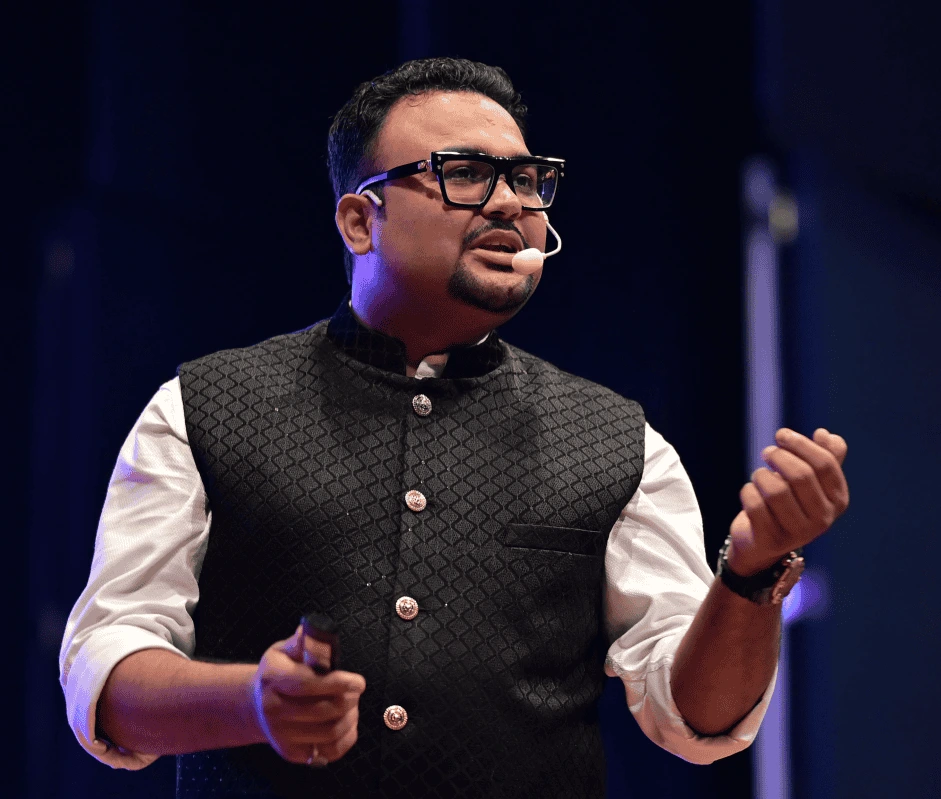
Rahul Malodia is a leading business coach in India, a Chartered Accountant, and the creator of the transformational Vyapari to CEO (V2C) program. With a mission to empower MSMEs, he has trained over entrepreneurs to systemize operations, manage working capital, and scale their businesses profitably.
Known for transforming traditional business owners into confident CEOs, Rahul delivers India’s top business coaching programs through bootcamps, workshops, and online courses. His practical strategies and deep industry insights have made him a trusted name among entrepreneurs seeking sustainable and scalable growth.
