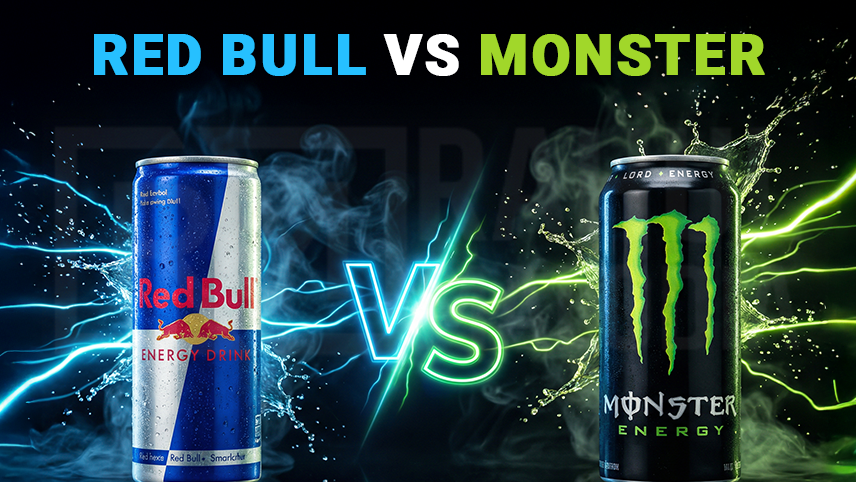
Red Bull vs Monster: The Real War You Never Heard About
If you think Red Bull and Monster are just two cans in a supermarket fridge, think again. There is a silent business war happening behind those shiny cans, and most Indian entrepreneurs have no idea how deep it goes. This fight is not about taste. It is about psychology, branding, culture, and control over a billion-dollar global market. And once you understand this war, you will start looking at marketing in a whole new way.
How Red Bull Created a Market That Did Not Exist
There was a time when energy drinks were not even a category. People drank cola, tea, and coffee, and that was enough. But in 1987, Red Bull entered with something so strange that most companies would have rejected the idea. A tiny blue-silver can, expensive price, and a promise that sounded almost unbelievable. Yet, Red Bull did something bold. They started selling a drink people didn’t even know they needed.
It may surprise you that Red Bull did not grow through taste. Many people found the taste odd at first. But Red Bull used a strategy that most Indian founders still underestimate: they sold a lifestyle, not a drink. And the decision changed the entire beverage industry forever.
Monster: The Challenger That Became a Threat
Monster entered the market much later in 2002. By then, Red Bull had already built the entire energy drink category. But Monster understood something powerful. They knew Red Bull had created a premium, clean, adventure-focused brand. So Monster went in a different direction. They became the “rebel.” Bigger cans. Cheaper prices. Edgy branding. And a target audience that Red Bull was not directly speaking to.
The results were shocking. Monster snatched market share faster than anyone expected. At one point, Monster even came close to beating Red Bull in the US market. That is when the real war began.
Why This Business War Feels Like a Bollywood Rivalry
If Red Bull is like a clean-cut hero doing cool stunts, Monster is the raw, street-style challenger with tattoos and loud sound. Both sell energy drinks, but their personality is totally opposite. And this personality war is the real secret behind their massive business growth.
Red Bull links itself to extreme sports, Formula 1 racing, skydiving, and high-class events. Monster connects itself to heavy metal concerts, gaming, street racing, and young rebels. Both companies sell the same type of drink, but their brand story pulls in different types of customers. This is a lesson Indian brands must learn. People don’t buy products. They buy identity.
The Numbers That Prove This Is Not a Simple Fight
Here is where the story becomes unbelievable. Red Bull sold around 12 billion cans worldwide in 2023, while Monster sold close to 6.9 billion cans. These numbers show something very interesting. Even though Monster built a huge market, Red Bull still remains the leader.
But here is another twist. In the US, Monster has often sold more cans than Red Bull. And in India, the energy drink market itself is rising fast. According to industry reports, the Indian energy drink market is expected to cross ₹5,000 crore by 2027, with Red Bull leading the category right now. Monster is slowly catching up as younger audiences, especially gamers and college students, start choosing it for its value and edgy image.
This shows that the war is shifting, and India is becoming a key battleground.
The Marketing Genius Behind Red Bull’s Success
Red Bull used one of the smartest marketing strategies the world has ever seen. They realized that traditional ads were not enough. So they moved to content, events, and culture.
Think about the Red Bull Racing Formula 1 team. It is one of the most expensive forms of marketing ever created. But the brand recall it builds is insane. Red Bull also owns football clubs like RB Leipzig and New York Red Bulls. They invest in extreme sports events like the Red Bull Cliff Diving World Series.
Every event creates videos. Every video spreads online. And every share becomes free advertising. This is not just marketing. This is brand domination.
Monster’s Comeback Strategy That Shocked Competitors
Monster did not spend on owning entire sports teams. Instead, they did something more relatable. They partnered with musicians, gamers, street racers, and influencers. They became the favourite drink of underground culture.
When gaming exploded and esports grew in India, Monster found a new home. College students, gamers, and young professionals started picking up Monster cans because it felt more “raw” and “real” compared to the polished image of Red Bull. Monster turned the growing gaming culture into its advantage.
This shows how understanding trends can sometimes beat even the biggest brands.
Why Indian Entrepreneurs Need to Study This War
This war is not just about two drinks. It is a masterclass in branding. Think about your own business for a moment. Do you sell your product, or do you sell a story? Red Bull’s story is adventure and high performance. Monster’s story is rebellion and self-expression. If a drink can build such a strong identity, imagine what a business owner with a bigger product range can achieve.
In India, most entrepreneurs fight only on price. But Red Bull and Monster prove that people pay for emotion, experience, and meaning. This is the biggest takeaway.
The Future of This Battle in India
India is young, energetic, and digital. More people are gaming, working late nights, and living fast-paced lives. Red Bull is still the premium choice. Monster is growing because of price and flavour variety. And new Indian energy drink brands are entering the game.
The real war will not be fought in ads alone. It will be fought in culture, events, communities, and identity. The brand that understands the new Indian youth better will lead the market in the next decade.
Final Thought: The War Is Bigger Than Two Cans
Next time you see a Red Bull or Monster can, remember you are not just looking at a drink. You are looking at two global giants fighting silently for your attention, your mood, and your identity. And behind that fight are powerful marketing lessons that every Indian entrepreneur can use.
If you can understand how these brands win hearts, you can build a business that wins markets.
- soaicl media marekting
- Business Case study
- Top Business Courses
- Businessman
- Innovation


Rahul Malodia is a leading business coach in India, a Chartered Accountant, and the creator of the transformational Vyapari to CEO (V2C) program. With a mission to empower MSMEs, he has trained over entrepreneurs to systemize operations, manage working capital, and scale their businesses profitably.
Known for transforming traditional business owners into confident CEOs, Rahul delivers India’s top business coaching programs through bootcamps, workshops, and online courses. His practical strategies and deep industry insights have made him a trusted name among entrepreneurs seeking sustainable and scalable growth.
