How Minimalist Became a High-Trust D2C Skincare Brand in India
What Makes Minimalist a High-Trust D2C Brand?
Picture this. You are an Indian founder scrolling through endless skincare ads promising glowing skin overnight. Most feel like noise. Then you come across Minimalist. No celebrities. No vague “natural” claims.
Just clear bottles showing exact ingredient percentages and real clinical results. In a crowded D2C market, this Jaipur brand quietly built deep trust and scaled faster than almost anyone expected.
What sets a minimalist D2C brand like this apart is not luck. It is a deliberate choice to put honesty first in a category where skepticism runs high.
The Unexpected Start in a Jaipur Room
Two brothers, Mohit and Rahul Yadav from Rajasthan, launched Minimalist in late 2020 during the pandemic. They started with one simple Instagram post and a single product. No big marketing budget.
No factory of their own at first. What they had was a clear frustration with how most skincare brands hid behind fancy packaging and unproven promises. They wanted to create something different for Indian skin, which faces pollution, humidity, and sun exposure every day.
Within months, word spread through real customer results rather than paid promotions. That early momentum showed them something powerful: when you respect the customer’s intelligence, they reward you with loyalty.
Transparency That Indian Consumers Were Craving
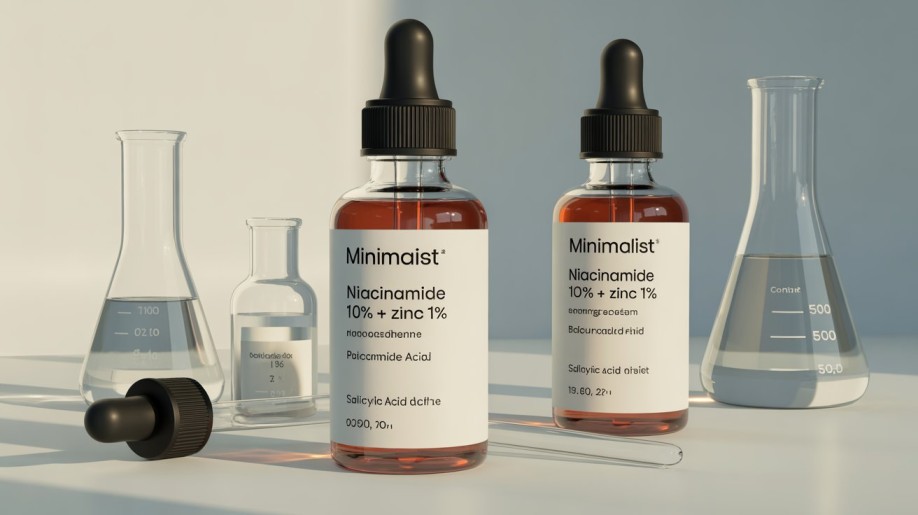
Indian buyers have grown tired of greenwashing. They see labels claiming “chemical-free” while hiding concentrations. Minimalist flipped the script completely. Every bottle lists the exact percentage of actives right on the front.
No secrets about suppliers or what the ingredient actually does. This radical openness built instant credibility. Shoppers in tier-2 cities who buy online for the first time feel safe because nothing is hidden.
In a country where online fraud stories make headlines, this level of openness in a minimalist D2C brand turned curiosity into repeat purchases almost overnight.
Science Over Hype in Every Bottle
Minimalist never chase trends. Instead, it focused on proven actives like niacinamide, AHAs, and peptides at clinically effective levels. Every formulation went through lab testing and third-party clinical studies.
Results of those studies appear on the website for anyone to read. This science-first mindset resonated deeply with young professionals and working women who research ingredients late at night.
They wanted solutions that actually worked on Indian skin types rather than stories about exotic herbs. The brand’s calm, clinical tone felt like advice from a trusted dermatologist instead of a salesperson.
Why Skipping Influencers Paid Off Big Time
Most D2C beauty brands pour money into celebrity endorsements and paid reviews. Minimalist chose the opposite path. They let real users share before-and-after photos and honest feedback.
This decision kept costs low and authenticity high. Early on, the brand hit ₹100 crore in revenue within just eight months without heavy ad spends.
Customers became the biggest advocates because they experienced genuine results. In India’s trust-sensitive market, this organic spread proved far more powerful than any paid campaign could ever be.
Real Customer Stories That Built the Foundation
Scroll through Minimalist’s social channels today, and you see thousands of everyday Indians posting their skin journeys. A college student in Pune is clearing acne scars. A working mom in Delhi is noticing brighter skin after consistent use.
These are not staged testimonials. They are people who bought the products with their own money and saw changes. The brand simply amplified these voices.
This community-driven proof created a flywheel effect where new buyers arrived already believing the brand would deliver.
How Minimalist Outpaced the Competition in Speed and Scale
In India’s fast-growing D2C beauty space, speed matters. To see the difference clearly, look at this side-by-side view of growth milestones:
| Milestone | Minimalist | Typical Competitor (e.g., influencer-heavy brands like Mamaearth) |
| Time to ₹100 Cr revenue | 8 months | Around 3 years |
| Focus area | Product efficacy first | Heavy marketing and celebrity push |
| Repeat purchase rate | Around 60% | Lower reliance on organic loyalty |
This comparison shows why Minimalist felt different from day one. While others chased visibility, Minimalist chased performance.
The Data That Proves Trust Translates to Revenue
Numbers never lie when trust is real. Minimalist’s revenue from operations jumped 48 percent to ₹514.8 crore in FY25, crossing the ₹500 crore mark for the first time. That came after ₹347.4 crore in FY24.
To visualize the journey, imagine a line graph starting almost flat in late 2020, then climbing sharply to ₹100 crore within eight months, continuing upward to ₹350 crore by FY24, and reaching over ₹515 crore by FY25.
The curve stays steep because each year’s growth rested on the previous year’s satisfied customers rather than one-time promotions.
Another useful view comes from comparing business approaches:
| Factor | Minimalist | Typical D2C Skincare Competitor |
| Ingredient disclosure | Exact percentages and sources upfront | Vague claims or hidden details |
| Marketing strategy | Education and clinical proof | Influencer and celebrity campaigns |
| Claim support | Published third-party clinical data | Marketing slogans without backup |
| Customer acquisition | Organic word-of-mouth and results | High ad spend on paid channels |
These contrasts explain why trust became the brand’s biggest growth engine in India’s competitive D2C landscape.
Standing Tall Amid Rising Costs and Market Shifts
Building a high-trust D2C brand is never easy. Input costs for quality ingredients rose, and digital advertising became more expensive.
Yet Minimalist kept its promise of transparency even when it meant tighter margins at times.
The brand stayed focused on its own website as the main channel while smartly using marketplaces like Amazon, Nykaa, and Flipkart for reach.
This balanced approach helped it weather market shifts that caught many flashy D2C players off guard. Indian entrepreneurs watching this journey saw that patience and consistency beat short-term hype every time.
The Big Validation from Industry Giants
In early 2025, Hindustan Unilever agreed to acquire a 90.5 per cent stake in Minimalist at a pre-money valuation of around ₹2,955 crore. For a brand that started in a small room just five years earlier, this move was more than a financial exit.
It was proof that the market finally recognized what customers had known all along. A science-backed, transparent, minimalist D2C brand could scale profitably and command respect from legacy giants. The deal highlighted how consumer trust in India had shifted toward evidence over entertainment.
What This Means for Building Your Own High-Trust Brand
When you study brands like Minimalist, patterns emerge that apply far beyond skincare. Real transparency, product-first thinking, and respect for the customer’s intelligence create moats that marketing budgets cannot copy.
Indian founders facing similar decisions today can draw clear lessons: focus on what you can prove, not what you can promise. In a D2C world full of noise, the quiet power of trust still wins.
Insights like these come from a strategic voice for business owners worldwide, someone who translates real-world business experience into scalable thinking and simplifies even the most complex challenges into clear, actionable frameworks.
- Business case study
- Businessman



Rahul Malodia is a leading business coach in India, a Chartered Accountant, and the creator of the transformational Vyapari to CEO (V2C) program. With a mission to empower MSMEs, he has trained over entrepreneurs to systemize operations, manage working capital, and scale their businesses profitably.
Known for transforming traditional business owners into confident CEOs, Rahul delivers India’s top business coaching programs through bootcamps, workshops, and online courses. His practical strategies and deep industry insights have made him a trusted name among entrepreneurs seeking sustainable and scalable growth.
