Inside the Marketing Playbook of India’s Fast-Growing Fashion Startups
The Silent Shift Happening in Indian Fashion
Something interesting has been unfolding in India’s fashion market over the last few years.
Brands that did not even exist a decade ago are suddenly everywhere on Instagram feeds, metro hoardings, influencer reels, and even in tier-2 city wardrobes.
Startups like Bewakoof, The Souled Store, Snitch, Urban Monkey, and Rare Rabbit are not just selling clothes. They are selling identity. And their marketing playbook is quietly rewriting how Indian businesses approach growth.
For entrepreneurs and founders, understanding this shift is no longer optional. It is a real-time case study on modern customer acquisition, brand positioning, and digital scale.
India’s Fashion Market Is Growing Faster Than Expected
India’s apparel market is projected to cross $115–120 billion by 2026, growing at nearly 10–11 percent CAGR, according to industry estimates.
What makes this growth unique is not just demand. It is the way demand is being captured.
Traditional retail brands still rely heavily on offline expansion. Fashion startups, however, are building demand before building stores.
The result is faster brand recall and lower initial capital burn.
Community-Led Branding Is the New Advertising
One of the most powerful strategies used by brands like The Souled Store is community building.
Instead of pushing ads, they built fandom-based merchandise ecosystems around Marvel, anime, gaming, and pop culture.
This approach reduces marketing friction. Customers feel like insiders, not targets.
When Urban Monkey grew from a niche streetwear label to a national name, much of its traction came from youth communities, sneaker culture events, and creator collaborations.
In India, where word-of-mouth still influences nearly 30–35 percent of purchase decisions, this model creates organic growth loops.
Digital-First Launches Reduce Risk and Speed Scale
Unlike legacy brands that launch with large inventories, startups test collections online first.
Snitch is a strong example. By leveraging real-time demand analytics and limited drops, the brand reportedly scaled revenues to ₹100+ crore within a few years.
This digital-first mindset allows faster product-market fit.
Marketing becomes data-backed storytelling instead of guesswork.
Influencer Commerce Is Replacing Celebrity Endorsements
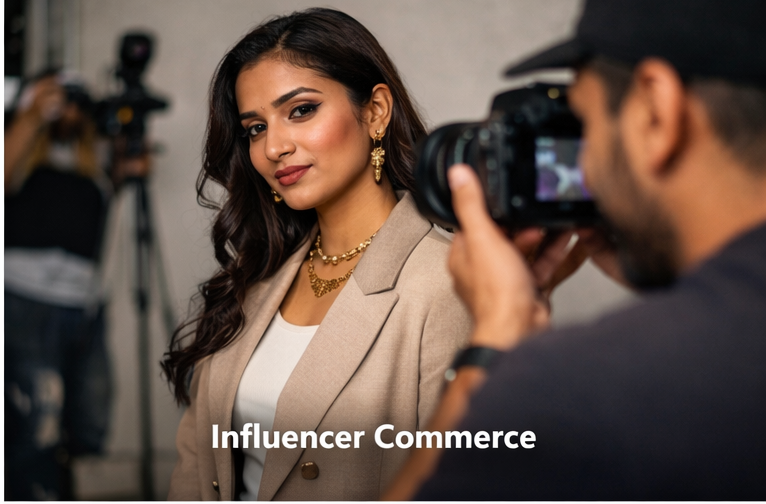
Fashion startups are not spending crores on Bollywood faces.
They are partnering with micro and mid-tier influencers who deliver better engagement.
Research shows Indian fashion consumers trust creator recommendations nearly 2.5 times more than traditional ads.
Rare Rabbit, for instance, built aspirational positioning through lifestyle creators rather than mass media campaigns.
This strategy also improves ROI. Instead of one large endorsement, brands create hundreds of authentic content touchpoints.
Fast Fashion Meets Fast Content
Content velocity is now a growth lever.
Brands like Bewakoof built massive traction by posting humorous, relatable content daily.
They turned marketing into entertainment.
Memes, reels, and cultural references made the brand feel human.
This matters because India’s Gen Z population, over 370 million people, consumes short-form video at an unprecedented scale.
Fashion discovery today often begins on social platforms, not shopping platforms.
Comparison: Traditional Fashion Growth vs Startup Marketing Playbook
To understand the shift clearly, consider this simplified comparison.
| Factor | Traditional Fashion Brands | New-Age Fashion Startups |
| Expansion Model | Store-first expansion | Digital-first scaling |
| Marketing Spend | Celebrity & mass media | Influencers & communities |
| Product Strategy | Seasonal collections | Limited drops & testing |
| Customer Feedback | Delayed retail insights | Real-time analytics |
For Indian entrepreneurs, this table reflects a deeper truth.
Marketing is no longer about reach alone. It is about responsiveness and relevance.
Tier-2 and Tier-3 India Is Driving Hidden Growth
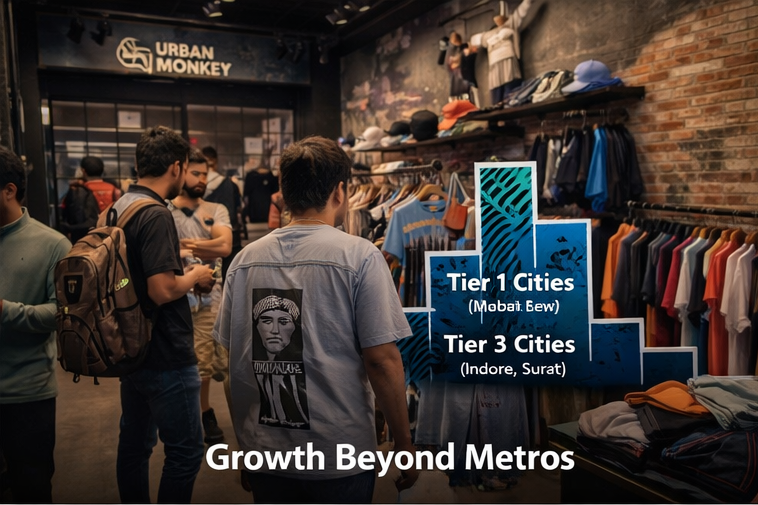
Many founders assume fashion growth is metro-driven.
But brands like Snitch and Bewakoof saw strong traction from cities like Indore, Jaipur, Lucknow, and Surat.
India’s online shopper base is expected to reach 450 million users by 2027, and a large portion will come from smaller towns.
These customers are aspirational yet value-conscious.
Marketing that blends affordability with premium storytelling wins here.
The Role of Quick Commerce and Omni-Channel
Another interesting shift is happening in distribution.
Fashion startups are experimenting with faster delivery models, offline experience stores, and marketplace integrations.
While Myntra and Ajio remain dominant platforms, D2C websites still contribute significant margins.
Brands that balance both channels often achieve better unit economics.
Marketing messages also change across channels.
Online campaigns focus on discovery. Offline stores focus on experience.
Visualizing Growth: Revenue Trajectory of Fashion Startups
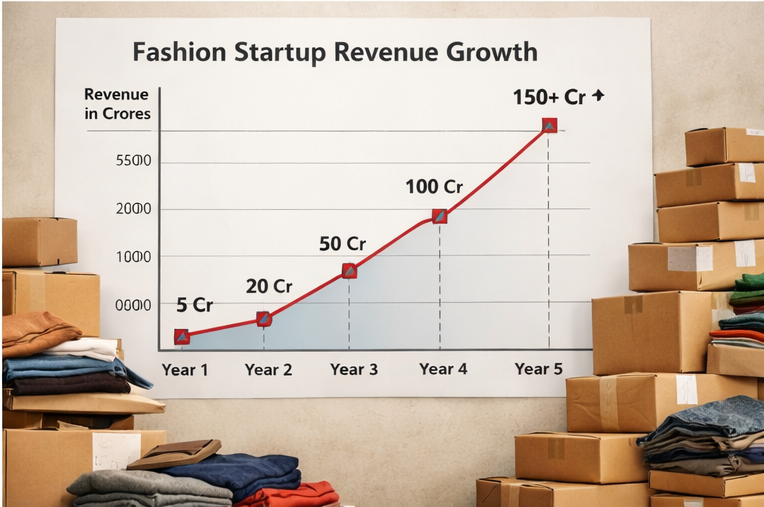
Imagine a simple line graph showing revenue growth from Year 1 to Year 5 for a typical successful fashion startup.
In Year 1, revenues may stay under ₹5 crore due to testing and brand building.
By Year 3, strong digital marketing can push revenues beyond ₹40–50 crore.
By Year 5, omni-channel expansion often accelerates growth toward ₹150 crore or more.
The curve rises slowly at first and then sharply after community trust and repeat purchases kick in.
This pattern is becoming common across India’s D2C fashion ecosystem.
Pricing Psychology and Perceived Value
Startups rarely compete on the lowest price.
Instead, they compete on perceived value.
Urban Monkey’s caps or Rare Rabbit’s shirts are not the cheapest options.
But branding, packaging, storytelling, and influencer positioning create premium perception.
This allows healthier margins, often 55–65 percent gross margin, compared to thinner margins in mass retail.
For founders, the lesson is simple.
Marketing is not just promotion. It shapes pricing power.
Technology Is Becoming a Marketing Engine
AI-driven recommendations, personalization emails, and retargeting campaigns are now standard practice.
India’s fashion ecommerce conversion rates improved from roughly 1.2 percent in 2019 to nearly 2 percent in 2025 in some categories due to better tech adoption.
Brands that treat data as a creative tool outperform those using it only for reporting.
Marketing teams are increasingly working like growth product teams.
Why This Playbook Matters Beyond Fashion
Even if you are not building an apparel brand, these insights travel across industries.
Community trust, content-led growth, fast experimentation, and digital distribution are universal levers.
India’s fastest-growing fashion startups simply show what happens when these levers are executed with discipline and cultural understanding.
Many global strategists studying emerging markets now highlight such models as templates for scalable growth.
- BusinessGrowth
- BusinessSuccess
- Business case study


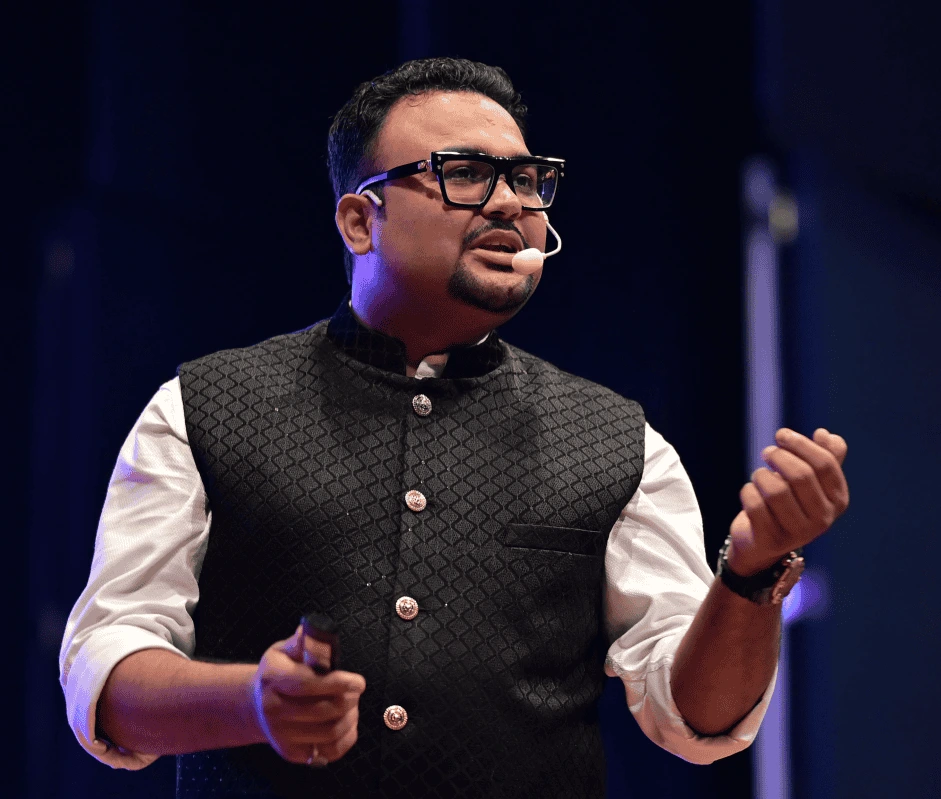
Rahul Malodia is a leading business coach in India, a Chartered Accountant, and the creator of the transformational Vyapari to CEO (V2C) program. With a mission to empower MSMEs, he has trained over entrepreneurs to systemize operations, manage working capital, and scale their businesses profitably.
Known for transforming traditional business owners into confident CEOs, Rahul delivers India’s top business coaching programs through bootcamps, workshops, and online courses. His practical strategies and deep industry insights have made him a trusted name among entrepreneurs seeking sustainable and scalable growth.
