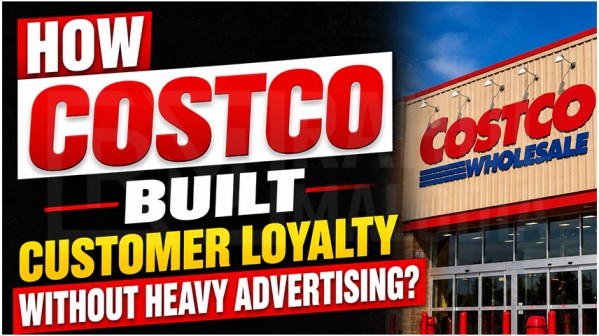
How Costco Built Customer Loyalty Without Heavy Advertising
Imagine walking into a store where the prices feel almost too good to be true, the staff seems genuinely happy, and you leave with a sense of having outsmarted the system. No flashy billboards, no constant discount emails, yet millions keep paying yearly just for the right to shop there. That's Costco. For Indian entrepreneurs watching every rupee in marketing spend, this model offers powerful lessons in building deep, lasting customer loyalty through value rather than volume of ads.
The Membership Magic That Changes Everything
Costco turned shopping into a paid privilege. Members pay an annual fee, currently around $65-130 in the US depending on the tier, creating a sense of exclusivity and commitment right from the start. This isn't just revenue; it's a filter that attracts serious buyers who value bulk deals. In fiscal 2025, membership fees contributed over $5.3 billion, with renewal rates hovering at 92% in key markets.
This model flips traditional retail. Instead of chasing one-time buyers with ads, Costco invests in making the membership worth far more than its cost. Indian business owners running stores or e-commerce can see parallels in premium loyalty programs, where a small upfront commitment leads to higher lifetime value.
Razor-Thin Margins Built on Trust
Costco keeps markups extremely low, often around 11-14% on merchandise, far below many competitors. Profits come mainly from memberships, allowing everyday low prices without constant promotions. This transparency builds incredible trust. Customers know they're getting real value, not inflated prices masked by sales.
Compare this to heavy advertisers who spend big on campaigns but face price wars. Costco's approach creates emotional security. Shoppers feel protected from rip-offs, fostering loyalty that advertising alone rarely achieves. In India, where price sensitivity runs high amid inflation, this discipline resonates deeply with MSME owners trying to retain customers.
Treating Employees as the Real Brand Ambassadors
Costco pays above-average wages and offers good benefits, leading to lower turnover and happier staff. Employees who feel valued deliver better service, which members notice immediately. This human touch creates memorable experiences that no ad can replicate.
In contrast, many retailers cut labour costs, resulting in frustrated staff and poor customer interactions. For Indian founders scaling teams, Costco proves that investing in people pays off in customer retention. Loyal employees become natural advocates, spreading positive word-of-mouth.
The Treasure Hunt Experience That Keeps Them Coming Back
Warehouses feature rotating deals, limited selections, and that exciting "what will I find today" vibe. Combined with free samples and the famous $1.50 hot dog combo that hasn't changed in decades, it turns shopping into an event. Consistency in small pleasures reinforces trust.
This experiential element drives repeat visits without advertising. Indian retailers like D-Mart have echoed a similar no-frills value focus, achieving strong loyalty in competitive markets. Costco shows how curating scarcity and discovery builds emotional connection.
Word-of-Mouth: The Most Powerful (and Cheapest) Marketing
With near-zero traditional ad spend—unlike Walmart's billions—Costco relies on satisfied members telling friends. High renewal rates prove the model works: people don't just shop; they evangelize.
In India, where recommendations from family and community carry huge weight, this organic growth is gold. Entrepreneurs can apply the same by delivering consistent over-delivery, letting customers market for them.
Comparing Strategies: Costco vs Traditional Retail Giants
Here's a quick side-by-side look at how approaches differ in building loyalty (based on industry benchmarks):
| Aspect | Costco Approach | Traditional Heavy Advertisers |
| Marketing Spend | Minimal (word-of-mouth focus) | High (billions on campaigns) |
| Profit Driver | Membership fees (~2% revenue, high margin) | Merchandise margins + ads |
| Renewal/Retention | 90%+ | Variable, promotion-dependent |
| Customer Feeling | Exclusive value & trust | Transactional deals |
This table highlights why Costco's model sustains loyalty more effectively. Indian chains like Reliance Retail invest heavily in visibility and variety, while Costco-like discipline in value could offer differentiation.
Graphing the Growth Story
Visualize a line graph showing Costco's revenue climbing steadily from around $250B in recent years toward $293B trailing twelve months, with membership income growing in parallel at double-digit rates in quarters. The membership line stays remarkably stable even during economic shifts, unlike ad-dependent competitors facing volatility.
For Indian decision-makers, this graph-like progression underscores patience: focus on core value compounds over flashy spends. D-Mart's success in India mirrors this steady, trust-driven expansion.
Lessons for Indian Entrepreneurs in a Competitive Market
As Costco eyes India with its Global Capability Centre in Hyderabad and potential future stores, local businesses should take note. In a market dominated by Reliance, D-Mart, and quick commerce, emulating Costco means prioritizing membership-style loyalty over constant discounting. Indian consumers respond to genuine value amid rising aspirations.
Focus on operational excellence, employee welfare, and consistent low prices. These create moats stronger than any campaign. Many MSMEs struggle with high customer acquisition costs; Costco's playbook shows retention through trust is far more efficient.
Scaling Loyalty Without Breaking the Bank
Costco's success isn't about perfection but ruthless consistency. They rarely hike fees (first in years), protect signature promises like the hot dog price, and reinvest savings into member benefits. This builds unbreakable emotional loyalty.
For CXOs and founders here, the takeaway is clear: in 2026's noisy market, quiet excellence wins. Audit your operations for trust gaps. Small, consistent wins compound into fierce loyalty, just as Costco has proven globally while expanding its footprint.
This approach doesn't just save on advertising. It creates customers who feel like insiders in a fair system, driving sustainable growth that feels earned, not bought. Indian businesses embracing similar principles stand to build legacies that outlast trends.
Read more articles about business & keep learning and evolving to stay ahead in today’s competitive market.
- BusinessGrowth
- BusinessSuccess


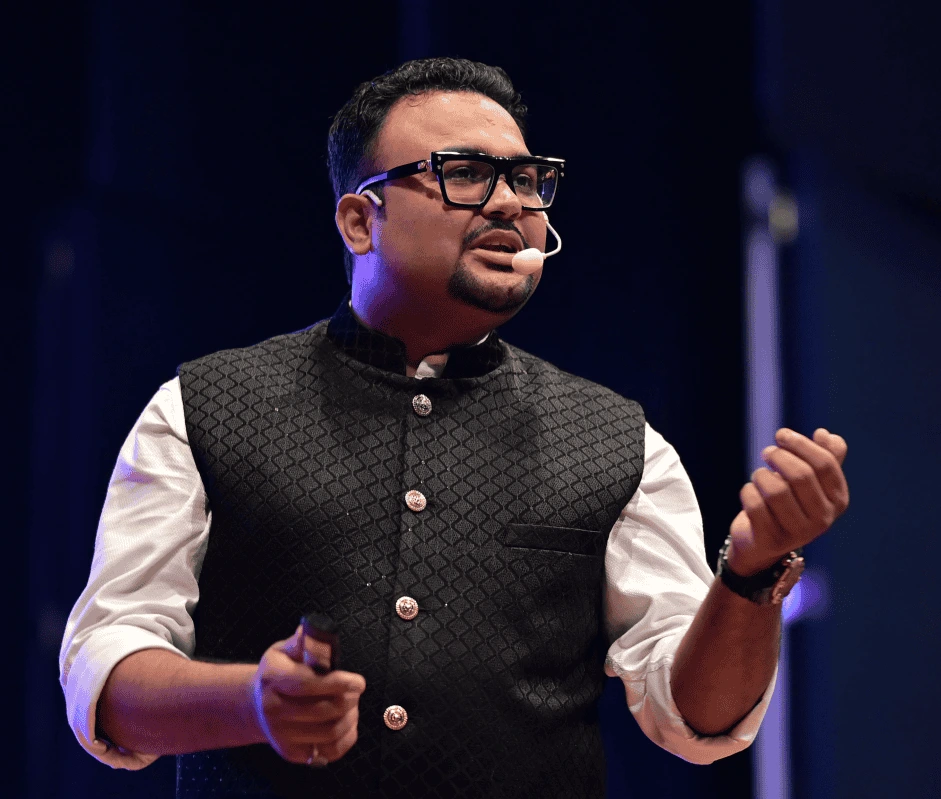
Rahul Malodia is a leading business coach in India, a Chartered Accountant, and the creator of the transformational Vyapari to CEO (V2C) program. With a mission to empower MSMEs, he has trained over entrepreneurs to systemize operations, manage working capital, and scale their businesses profitably.
Known for transforming traditional business owners into confident CEOs, Rahul delivers India’s top business coaching programs through bootcamps, workshops, and online courses. His practical strategies and deep industry insights have made him a trusted name among entrepreneurs seeking sustainable and scalable growth.
