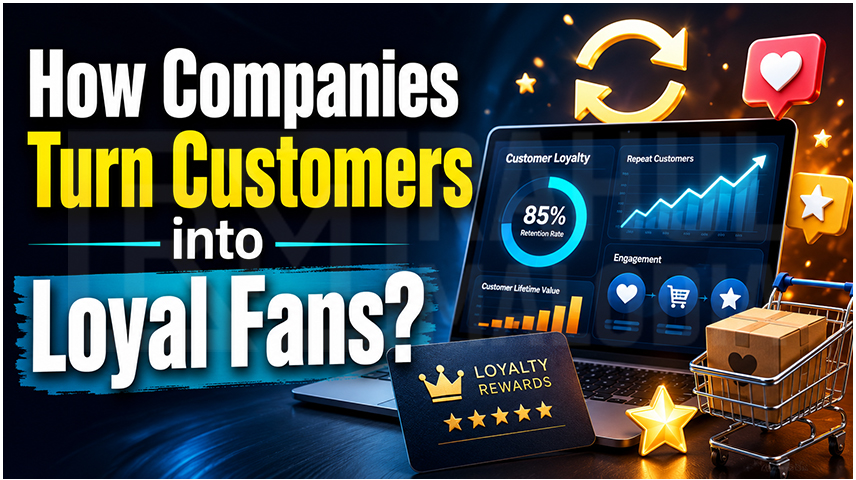
How Companies Turn Customers Into Loyal Fans?
Imagine running a busy kirana store in Lucknow or a growing D2C brand in Bengaluru. You work hard to bring in new customers, but many vanish after one or two purchases. The real game-changer? Turning those one-time buyers into loyal fans who keep coming back, spend more, and even bring their friends. In India's competitive market, this shift from transactions to relationships decides who survives and who thrives.
Indian entrepreneurs know the pain of high customer acquisition costs. With rising digital options and price-sensitive buyers, loyalty has become the quiet superpower for sustainable growth. Let's explore how smart companies do it.
Why Customer Loyalty Matters More Than Ever in India
In a fast-growing economy like ours, acquiring new customers costs five to twenty-five times more than retaining existing ones. Loyal customers not only repeat purchases but spend more over time. Repeat buyers often contribute 67% more revenue than first-timers.
For MSMEs and startups, this means steadier cash flow amid competition from big players. In recent years, genuine brand loyalty has remained in the range of 29% to 34% worldwide. However, in India, loyalty programs tend to generate stronger customer engagement when they consistently deliver trust and real value.
Businesses ignoring this watch their hard-earned customers switch easily. Those who invest see predictable revenue and lower marketing spends.
The Real Cost of Losing Customers
Picture this: A small fashion brand in Surat loses 20% of its customers each year due to average service. Replacing them drains resources that could be used to improve products instead. Studies show a 5% retention boost can lift profits by 25-95% depending on the industry.
In India, where consumers juggle options from local shops to apps like Flipkart and Amazon, weak loyalty means constant struggle. Loyal fans, however, act as brand ambassadors in WhatsApp groups and family circles.
Building Trust: The Unbreakable Foundation
Trust forms the base. Customers stay with brands they believe will deliver consistently. This starts with honest promises and transparent dealings, whether in product quality or after-sales support.
Indian buyers, shaped by diverse experiences, value reliability highly. A slight delay or quality dip can break the bond, especially in tier-2 and tier-3 cities where word-of-mouth spreads fast.
Companies that over-deliver on small commitments build emotional safety. Customers then forgive occasional mistakes and stick longer.
Personalization That Feels Human
Generic offers no longer work. Today's customers expect brands to remember their preferences, like suggesting the right size or flavor based on past buys.
In India, with UPI and data from millions of transactions, smart businesses use this to tailor experiences. A coffee chain sending a birthday offer or a grocery app recommending festival staples based on family size makes customers feel seen.
This isn't about fancy tech alone. Even simple note-keeping or feedback loops create that personal touch, boosting repeat rates significantly.
The Power of Exceptional Service
Great service turns satisfied customers into fans. Quick resolution of issues, polite communication, and going the extra mile matter deeply in a relationship-driven culture like India's.
Think of a local electronics repair shop that follows up after fixing a gadget or a SaaS startup offering proactive support. Customers remember how they felt during problems more than the product itself.
In competitive sectors like telecom or e-commerce, service differentiates winners. Poor experiences push 68% of Indian customers away permanently.
Loyalty Programs Done Right
Effective programs reward behavior meaningfully. Flipkart Plus and Amazon Prime succeed by offering real value like faster delivery, exclusive deals, and points that matter. Flipkart Plus members transact significantly more, showing clear impact.
Not every program needs big budget. Tiered rewards, referral bonuses, or experiential perks work well for MSMEs. The key is making redemption easy and relevant to daily Indian life.
Comparison of Loyalty Approaches
Here's a simple side-by-side view many Indian businesses relate to:
| Aspect | Traditional Approach | Smart Modern Approach |
| Focus | Discounts only | Value + Experience + Recognition |
| Customer Spend | One-time boost | 12-18% higher incremental revenue |
| Retention Impact | Short-term | Long-term emotional bonds |
| Suitability for MSMEs | Limited scalability | Affordable with digital tools |
This contrast highlights why shifting from price wars to relationship-building yields better results for cash-conscious founders.
Creating Emotional Connections
Loyalty goes beyond transactions when customers feel part of something. Brands sharing stories, supporting local causes, or aligning with values like sustainability resonate strongly in India.
Emotionally connected customers show 306% higher lifetime value and stay longer. They advocate naturally, reducing acquisition costs.
A homegrown brand celebrating regional festivals or listening to customer stories on social media builds this bond. It's about human moments in a digital world.
Learning from Indian Leaders
Reliance Jio transformed India's telecom market by prioritizing customer needs, offering cost-effective internet services and a better user experience that encouraged millions of people to remain loyal to the brand. Amazon and Flipkart raised the bar with seamless experiences and Prime/Plus programs tailored to Indian shopping habits.
Smaller successes include D2C brands using Instagram for direct feedback and quick deliveries. These examples prove that understanding local contexts, festivals, family buying, and trust in established names drives results.
Common Pitfalls to Avoid
Many companies treat loyalty as an afterthought or rely solely on heavy discounts, which erode margins. Ignoring feedback or inconsistent quality kills progress faster than competitors.
Over-promising and under-delivering frustrates price-sensitive yet quality-seeking Indian buyers. Another trap is not measuring what works, leading to wasted efforts on ineffective tactics.
Measuring What Matters
Track retention rates, repeat purchase frequency, and Net Promoter Scores alongside revenue from loyal segments. Tools accessible to startups help monitor Customer Lifetime Value (CLV).
Visualizing Growth Impact
Consider a line graph showing revenue trends: New customer acquisition drives initial spikes, but loyal customer curves show steady upward growth over 12-24 months, often doubling contributions. Many Indian MSMEs see this pattern after implementing simple loyalty loops.
The Road Ahead for Indian Businesses
As digital adoption grows and competition intensifies, loyalty will hinge on genuine care, smart technology, and cultural relevance. Businesses investing here build resilience against economic shifts.
Start small. Listen to your customers today. The fans you create will fuel your journey for years. In India's vibrant market, those who master turning buyers into believers don't just grow; they lead.
Read more articles about business & keep learning and evolving to stay ahead in today’s competitive market.
- BusinessSuccess


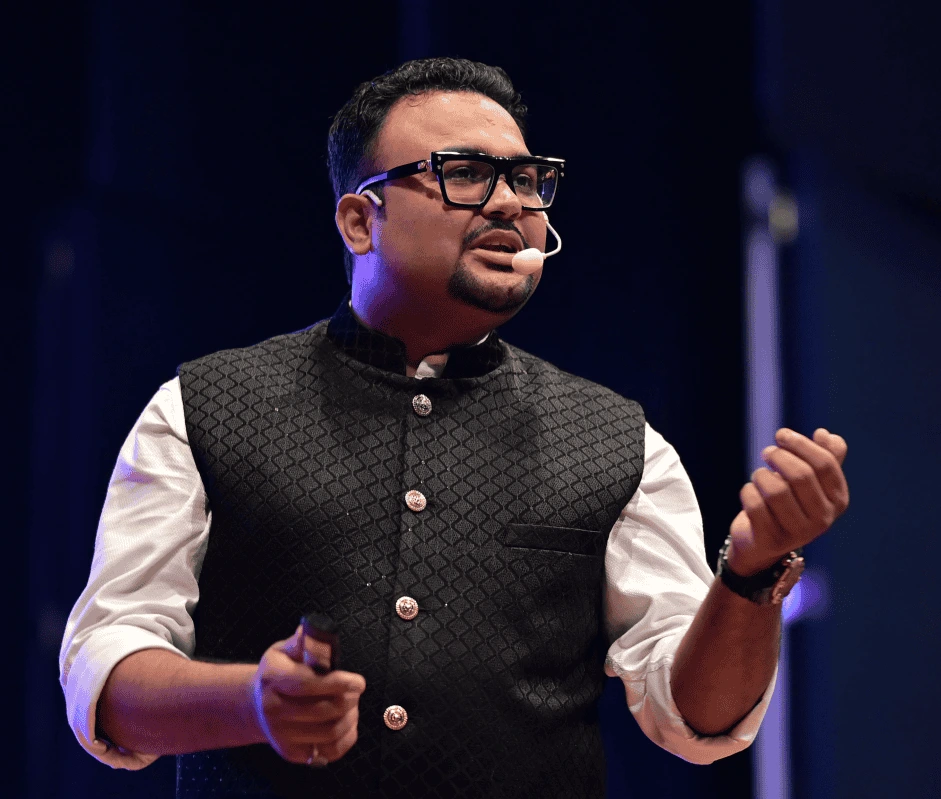
Rahul Malodia is a leading business coach in India, a Chartered Accountant, and the creator of the transformational Vyapari to CEO (V2C) program. With a mission to empower MSMEs, he has trained over entrepreneurs to systemize operations, manage working capital, and scale their businesses profitably.
Known for transforming traditional business owners into confident CEOs, Rahul delivers India’s top business coaching programs through bootcamps, workshops, and online courses. His practical strategies and deep industry insights have made him a trusted name among entrepreneurs seeking sustainable and scalable growth.
