
How Apple Made iPhone India's Dream Brand | Strategy & Psychology
In a country where practicality often trumps luxury and affordability drives purchasing decisions, how did a phone priced higher than most Indians' monthly salaries become the most coveted possession? The answer lies not in specs or features, but in storytelling, psychology, and positioning.
The iPhone in India didn’t simply become popular. It became an aspiration. For millions, it was no longer just a smartphone. It represented status, success, and ambition. In a market flooded with budget Android phones offering more RAM or higher megapixels, Apple won by creating something others couldn’t touch: a feeling.
What makes this feat remarkable is that Apple achieved it without compromising on price or diluting its brand. Instead, it used deep market understanding and a slow-burning strategy to convert the iPhone into India’s ultimate status symbol.
Let’s explore the journey that transformed Apple from a niche player into one of India’s most iconic brands.
The Latecomer Strategy: When Coming Late Was a Masterstroke
Apple officially entered the Indian market in 2008 with the iPhone 3G. But unlike the U.S., where it had instant dominance, India was slow to bite. High prices, limited availability, and a lack of EMI options made it a distant dream for most.
But Apple didn’t try to change India. It played a longer game. While other brands raced to win volume, Apple focused on winning value. Instead of advertising cheaper models or flooding the market, it preserved exclusivity. And by not being everywhere, it became something to chase.
This was a conscious move. Apple understood that in India, brands become powerful not when they are accessible, but when they are desired but hard to attain. That desire slowly began to build. One person in the office had an iPhone. One cousin brought it from abroad. And just like that, the ripple of aspiration started.
From Luxury to Aspiration: Understanding the Indian Consumer Psyche
India is not a homogeneous market. There are multiple Indias within one country, and Apple figured this out before most global brands did. Instead of trying to appeal to the masses, it focused on the urban middle class, the emerging professionals, and youth with ambition.
These were the people who didn’t just want to buy a phone. They wanted to announce something. Owning an iPhone became a public display of growth. It said you’ve made it. It gave you a social currency more powerful than most gadgets could offer.
Even today, ask any young college student or office-goer about their dream phone. Nine out of ten will say iPhone. Not because of the technical specs, but because of what it represents. That emotional positioning is what no other brand has been able to replicate.
The Social Mirror: How the iPhone Became a Status Signal
Let’s be honest. The iPhone became part of Indian pop culture before it became part of Indian households. You saw it in movies, music videos, celebrity paparazzi, and YouTube unboxings. Slowly, it became an unspoken symbol of "arriving".
When Instagram became the dominant social platform, the iPhone found its moment to explode. Influencers, creators, and vloggers used it to shoot everything. The quality spoke for itself, but more than that, the device itself became the focus.
Every time someone posted a mirror selfie with the Apple logo visible, it did something subtle to the viewer. It told them this person had taste, success, and perhaps, a better life. The more people saw it, the more they wanted it. That’s the power of social proof.
And this wasn’t accidental. Apple never asked people to flaunt the phone. But the clean design, recognizable logo, and culture of loyalty made sure people wanted to.
The Premium Playbook: Refusing to Compete on Price
India is a value-driven market. But Apple, instead of offering discounts or budget versions, decided to stick to its premium playbook.
The iPhone remained costly. The latest iPhones were priced upwards of ₹70,000 to ₹1,50,000. And yet, the company saw its revenue grow year after year. In FY24 alone, Apple India crossed ₹50,000 crore in revenue, a 40%+ year-on-year growth.
The secret? Apple didn't sell the phone. It sold the experience. And that experience started from the moment you unboxed the device to the way it synced with your MacBook or AirPods. People weren’t paying just for a gadget. They were paying to be a part of a club.
More importantly, Apple made ownership easier without reducing the price. Through EMI options, trade-in programs, and zero-cost financing, it brought the dream closer to middle-class India without making the brand feel cheap.
This is a massive insight for business owners: never dilute your positioning just to chase volume. Find creative ways to stay premium while expanding accessibility.
Made in India, Made for the World: Apple’s Big Bet on Indian Manufacturing
For years, India was only a sales market for Apple. But that began to change when the government introduced the Production Linked Incentive (PLI) scheme. Apple took a big step by teaming up with manufacturers like Foxconn and Pegatron to kickstart local production in India.
By 2023, Apple had manufactured iPhones worth over ₹1 lakh crore right here in India, marking a massive shift in its local production strategy. This wasn’t just about cost-cutting. It was about de-risking from China, tapping into Indian labor, and laying down roots.
India now produces almost 7% of the world’s iPhones, showing how it's becoming a key player in Apple’s global manufacturing strategy.
Apple is gearing up to boost its production share to 25% by 2026, signaling a bold move in its global expansion strategy.
What does this mean for Indian entrepreneurs? It’s a signal that India is no longer just a market to sell to. It’s becoming a strategic base for global operations.
And when a company like Apple bets big, others follow. The ripple effects are already visible in job creation, supplier ecosystem growth, and increased exports.
Apple Retail in India: More Than Just a Store
Apple made a powerful move in 2023 by launching its first official retail stores in India, one at Mumbai’s BKC and another in Delhi’s Saket, taking a major leap in its direct-to-consumer strategy. But these weren’t just retail outlets. They were experiential zones.
Designed with the same global aesthetics and customer-first policies, these stores introduced Indian consumers to a new kind of shopping. You didn’t just walk in to buy. You walked in to learn, experience, and connect.
Free product workshops, personalised setups, and on-the-spot repairs it all added to the aura. The stores didn’t just sell devices. They sold belongings.
People came not just with wallets, but with dreams. And the stores gave them a reason to believe that the dream was worth chasing.
The Business Numbers: Behind the Dream Is a Solid Strategy
Apple’s India strategy wasn’t driven by emotion alone. It was backed by hard numbers, calculated risk, and relentless execution.
In FY24, Apple India’s revenue crossed ₹50,000 crore. iPhones accounted for the majority, but iPads, MacBooks, and accessories also saw double-digit growth. What makes this more impressive is that Apple doesn’t release many models. Just a few products done extremely well.
Apple generated a staggering $383 billion in global revenue in 2023, reaffirming its position as one of the world’s most powerful and profitable tech brands. India may currently hold a smaller share, but it’s quickly becoming one of Apple’s most exciting growth markets. On his recent visit, Apple CEO Tim Cook shared his belief that India will play a key role in shaping the company’s future.
And this isn’t just a PR statement. It’s visible in the numbers. Apple now dominates India’s premium smartphone market with a massive 65% share, surpassing both Samsung and OnePlus in the race for the top spot.
How Indian Entrepreneurs Can Think Like Apple
Apple’s journey in India holds powerful lessons for business owners, marketers, and founders.
One, scarcity builds desire. Apple never rushed to be everywhere. They allowed the market to build the story for them.
Two, consistency builds trust. Over the years, Apple has delivered a consistent experience, from product design to software updates to service.
Three, emotion beats logic. Indians didn’t buy iPhones because they were the best phones on paper. They bought them because they meant something.
Four, premium doesn’t mean inaccessible. Apple didn’t reduce prices. They changed payment models, offered exchange programs, and expanded availability.
Five, invest before you scale. Apple took years to build manufacturing, distribution, and retail in India. But now, it reaps the benefits of planting deep roots.
For anyone building a brand in India, this is your blueprint.
Final Thoughts: Why the iPhone Isn’t Just a Device Anymore
When you hold an iPhone in India today, you’re holding more than a phone. You’re holding a symbol. Of effort, taste, aspiration, and ambition.
You’re holding the result of a brand strategy that refused to rush, a pricing model that respected the product, and a vision that saw India not just as a customer, but as a partner.
That’s why Apple succeeded where others failed. Not because of innovation alone. But because it understood that in India, success is not sold. It is shown.
And with every camera click, every AirDrop, every FaceTime call, the iPhone shows it, loud and clear.
“If you have found this blog useful, consider checking out our Samsung vs. iPhone 2025 for more insightful knowledge like this.”
- BusinessGrowth
- BrandBuilding
- Market Analysis


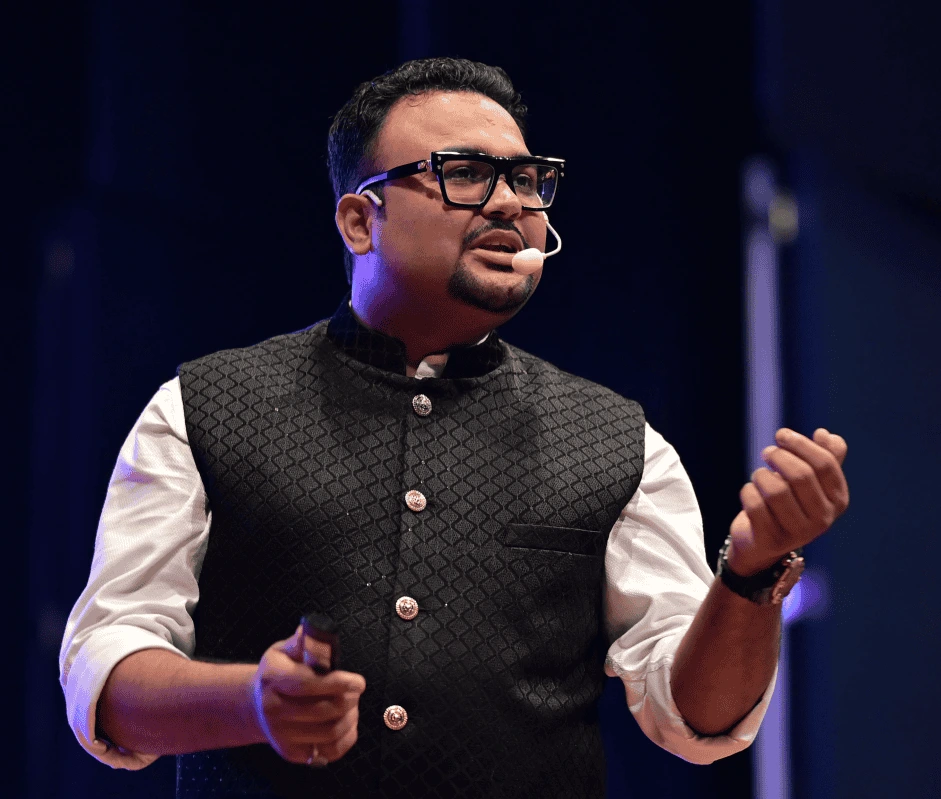
Rahul Malodia is a leading business coach in India, a Chartered Accountant, and the creator of the transformational Vyapari to CEO (V2C) program. With a mission to empower MSMEs, he has trained over 5,00,000+ entrepreneurs to systemize operations, manage working capital, and scale their businesses profitably.
Known for transforming traditional business owners into confident CEOs, Rahul delivers India’s top business coaching programs through bootcamps, workshops, and online courses. His practical strategies and deep industry insights have made him a trusted name among entrepreneurs seeking sustainable and scalable growth.
