How Data Personalisation Builds Emotional Brands?
Picture this. A young mother in Bengaluru opens her Zomato app on a rainy evening. Instead of generic suggestions, it shows her favourite paneer butter masala from the exact restaurant she ordered from last week, with a gentle note: “We noticed you loved it mild last time, here’s the same, plus a monsoon special discount.”
She smiles, orders instantly, and feels understood. That single moment is not luck. It is data personalisation quietly turning a transaction into an emotional connection.
For Indian entrepreneurs and MSMEs fighting daily for customer loyalty, this is no longer a nice-to-have. In 2026, data personalisation has become the quiet force that separates brands customers remember from those they simply use.
It builds emotional brands that people defend, recommend, and return to without being asked.
The Silent Shift: Why Indian Buyers Now Demand to Feel Seen
Indian consumers have changed. With over 900 million smartphone users and UPI making every payment instant, people expect brands to know them. They no longer tolerate blanket offers or irrelevant ads.
A simple recommendation based on past buys or browsing feels like care. When that care is consistent, it creates an emotional bond stronger than any discount.
Business owners I speak with often say the same thing: customers who feel seen stay longer and spend more.
Data personalisation makes that feeling possible at scale, even for small teams. It turns raw purchase history, location, and preferences into moments that say, “We get you.”
Data as the New Empathy: Turning Numbers Into Emotional Bonds
Data alone is cold. But when used right, it becomes empathy at scale. Personalisation analyses what a customer bought, when they bought it, and how they behaved online.
Then it serves something relevant, maybe a follow-up offer that matches their style or a reminder that feels timely, never pushy.
This process builds trust layer by layer. Each relevant interaction tells the customer the brand is paying attention. Over time, that attention creates an emotional attachment. The brand stops feeling like a shop and starts feeling like a companion.
In India’s fast-moving markets, where choices are endless, this emotional layer becomes the real competitive edge.
The Indian Consumer Mindset in 2026: Personalisation Meets Cultural Nuance
Indian buyers are value-conscious yet deeply sentimental. A personalised message in Hindi or a festival-specific recommendation lands differently than a generic English push.
Data personalisation lets brands respect regional tastes, be it a Diwali kurta suggestion for a North Indian customer or a Pongal special for someone in Chennai.
In 2026, with digital ad spends crossing ₹56,400 crore, the brands winning are those blending data with cultural sensitivity.
They understand that personalisation is not just about algorithms. It is about respecting the Indian way of life, family occasions, regional festivals, and local preferences. This blend creates brands that feel Indian at heart.
Success Stories From Home: How Flipkart and Zomato Built Emotional Connections
Look at Flipkart. Its recommendation engine uses browsing and purchase data to serve precise suggestions. The result? Click-through rates jumped 25-70 per cent in some campaigns, and overall conversions rose by around 20 per cent. Customers do not just buy, they feel the platform understands their style and budget.
Zomato does the same with food. Its personalised homepage and “favourite chef” nudges have lifted order conversions and retention significantly.
A late-night user in Mumbai gets monsoon-safe suggestions; a Delhi family sees winter soup specials. These small touches create loyalty that goes beyond hunger. They create emotional comfort.
Even smaller brands on these platforms are learning the lesson. Data personalisation levels the playing field, letting MSMEs compete on emotion, not just price.
Crunching the Numbers: Personalisation's Real Impact on Your Bottom Line
The data is clear and hard to ignore. Brands using data personalisation see measurable lifts across key metrics. Here is a simple side-by-side view of what actually happens in the Indian market:
| Aspect | Brands Using Data Personalisation | Brands Relying on Generic Approaches |
| Customer Retention | Up to 45% higher | Baseline |
| Conversion Rates | 20-30% uplift | Standard |
| Annual Revenue Growth (Retail/E-commerce) | 25%+ | 10-15% |
| Customer Loyalty Score | 24% more customers stay loyal | Lower repeat purchase |
These are not theoretical figures. They reflect real outcomes from Indian e-commerce and quick-commerce players in 2025-26. Personalised experiences also deliver up to six times higher conversion rates overall, according to multiple industry studies.
Imagine a line graph tracking three years of Indian retail growth. The line for brands with strong data personalisation climbs steeply at a 35 per cent CAGR. The generic brands stay flatter around 12%.
The gap widens every quarter. That visual difference is exactly what you see when you compare Flipkart’s personalised merchandising success with traditional catalogue approaches.
The Privacy Challenge: Staying Compliant with DPDP While Personalising Deeply
India’s Digital Personal Data Protection (DPDP) Act and its 2025 Rules have changed the game. Consent is now king. Businesses must be transparent about what data they collect and why. Yet smart brands see this not as a hurdle but as an opportunity to build deeper trust.
When customers know their data is safe and used only to serve them better, they share more willingly. This creates a virtuous cycle: better data leads to better personalisation, which leads to stronger emotional bonds. In 2026, brands that treat privacy as a foundation, not an afterthought, are the ones customers emotionally commit to.
Common Traps Indian MSMEs Fall Into With Data Strategies
Many Indian businesses still collect data but fail to use it meaningfully. They send the same offer to everyone or overwhelm customers with too many messages.
Others fear the DPDP rules and underuse their own data. The result? Missed connections and flat growth.
The fix is simpler than it sounds. Start small. Use purchase history for one relevant follow-up. Test one personalised WhatsApp message.
Measure the response. Then scale. The brands that avoid these traps move from transactional to emotional relationships faster than they expect.
Building Your Own Emotional Brand: A Practical Path Forward
You do not need a massive budget. Begin with the data you already have—orders, location, past clicks. Choose one customer touchpoint, like post-purchase messages or homepage recommendations. Make it relevant and human. Track open rates, repeat orders, and simple feedback.
Over time, layer in more signals. Combine browsing data with festival calendars. Add regional language preferences. The goal is not perfection on day one. It is consistent, respectful personalisation that feels caring, not creepy. Indian MSMEs doing this well are seeing loyalty grow naturally.
What Sets Emotional Brands Apart From the Rest
Emotional brands do not chase every sale. They earn lasting preference. Customers forgive small mistakes because they feel connected. They recommend the brand to friends and family. In tough economic times, they choose it over cheaper alternatives.
Data personalisation is the bridge that gets you there. It turns every interaction into proof that the brand cares. In India’s crowded markets, that proof becomes your moat.
Looking Forward: AI and the Next Wave of Personalised Experiences in India
By late 2026, AI-powered personalisation is moving from recommendation engines to real-time, context-aware experiences. Expect voice notes in regional languages, predictive offers before you even realise you need something, and seamless journeys across apps and stores.
The Indian AI-based personalisation market continues its steady growth, projected to support deeper emotional connections at scale. Brands that embrace this wave early will not just grow faster, they will become the ones customers feel emotionally attached to for years.
Drawing from years of guiding Indian founders and CXOs through digital transformations, one truth stands clear: the brands winning in 2026 treat data not as a tool for selling, but as a bridge to genuine customer emotion.
They build emotional brands that last because they make people feel seen, valued, and understood. In the end, that is what turns data into loyalty and loyalty into legacy.
- BrandBuilding


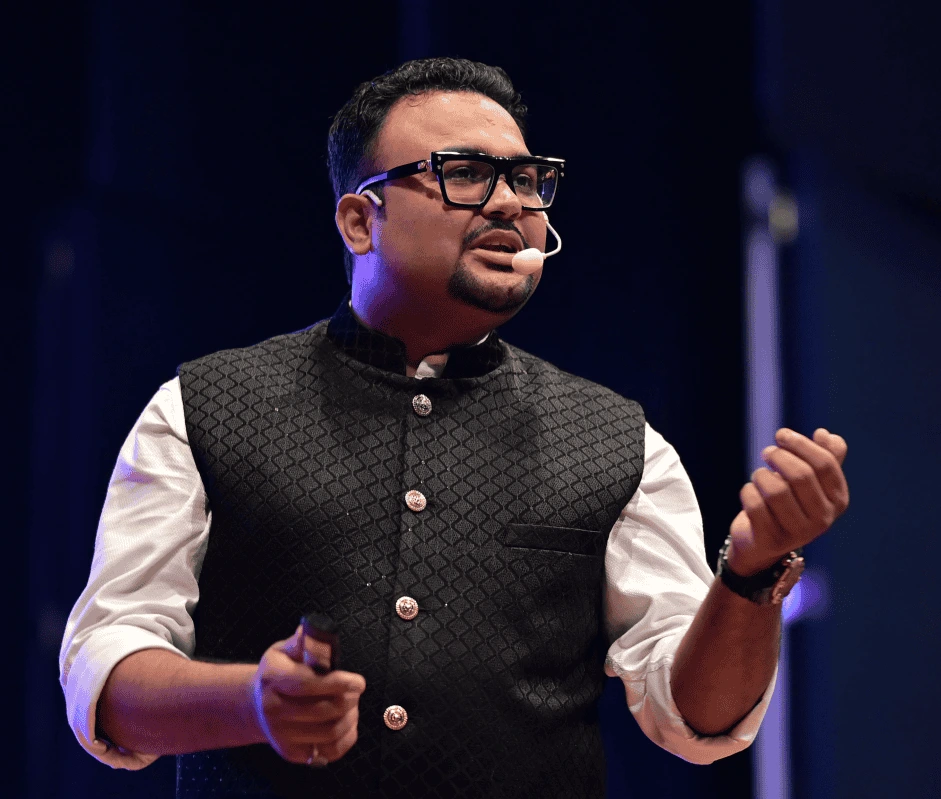
Rahul Malodia is a leading business coach in India, a Chartered Accountant, and the creator of the transformational Vyapari to CEO (V2C) program. With a mission to empower MSMEs, he has trained over entrepreneurs to systemize operations, manage working capital, and scale their businesses profitably.
Known for transforming traditional business owners into confident CEOs, Rahul delivers India’s top business coaching programs through bootcamps, workshops, and online courses. His practical strategies and deep industry insights have made him a trusted name among entrepreneurs seeking sustainable and scalable growth.
