
The BRICS Currency Plan: Could It Change the Global Trade Game?
For more than 70 years, the U.S. dollar has been the king of global trade. Every country, big or small, depends on it to buy oil, make international payments, and secure loans.
But in recent years, something interesting has been happening. The BRICS nations, Brazil, Russia, India, China, and South Africa, have started discussing a new shared currency that could challenge the dollar’s dominance.
This idea isn’t just a dream. It’s a serious move that could shift how the world trades, invests, and manages money. And for Indian entrepreneurs and professionals, this shift could change the way we do business globally.
So, what exactly is the BRICS currency plan? And could it really change the global trade game? Let’s explore.
The Power Behind BRICS
BRICS is not just another global group. It’s an economic powerhouse. Together, the five countries represent over 40% of the world’s population and nearly one-third of the global economy (in PPP terms), according to the IMF’s 2024 data.
Each country brings something unique. China leads in manufacturing. India shines in services and technology. Russia dominates energy. Brazil excels in agriculture. And South Africa drives Africa’s industrial growth.
But despite their strengths, these nations have one common frustration, the world’s overdependence on the U.S. dollar.
Why BRICS Wants Its Own Currency
To understand why BRICS wants its own currency, let’s look at how global trade works today.
Imagine India wants to buy oil from Russia. Even though both countries have their own currencies, they still use the U.S. dollar for transactions. This means they must hold large reserves of dollars to trade with each other.
This system gives the U.S. a unique advantage. When the Federal Reserve changes interest rates, the entire world feels the impact. Emerging economies like India and Brazil see currency fluctuations and capital outflows, all because of decisions made in Washington.
That’s why BRICS wants to create a fairer alternative. The goal is to build a new trade currency, possibly backed by gold or a mix of BRICS national currencies. It would allow member nations to trade directly, without depending on the dollar.
If this succeeds, it could completely reshape how global trade works.
How the BRICS Currency Could Function
The idea of a BRICS currency is still being developed, but the framework looks simple.
It won’t replace national currencies like the rupee or yuan. Instead, it would be used only for trade between BRICS nations.
For instance, if India imports coal from Russia, the payment could be made in the BRICS currency instead of U.S. dollars. Each country’s central bank would then handle internal settlements.
Experts believe the system may use digital technology or blockchain for faster, more transparent transactions. At the 2024 BRICS Summit in Johannesburg, leaders discussed launching a pilot version later this decade, starting with trade between BRICS nations and expanding globally after that.
More Countries Are Joining the BRICS Movement
What began as a small alliance is now turning into a global force.
By 2025, several new countries, including Saudi Arabia, Iran, Egypt, Ethiopia, and Argentina, have expressed interest in joining BRICS.
If this expansion continues, BRICS could control over 45% of the world’s oil supply and dominate global trade routes. This would make it a serious competitor to Western financial institutions like the IMF and World Bank.
For Indian businesses, this expansion means new trade opportunities, especially in energy, technology, and manufacturing sectors.
India’s Position in the BRICS Currency Vision
India plays a unique and strategic role in this alliance.
On one side, India has strong ties with Western nations like the U.S. and the European Union. On the other, it’s a founding member of BRICS, supporting the idea of a balanced world economy.
Finance Minister Nirmala Sitharaman has said that India supports regional currency cooperation but also wants the Indian rupee to become stronger globally.
This shows India’s cautious but smart approach, it wants to benefit from the BRICS system without losing control over its own currency.
For Indian entrepreneurs, this could mean easier trade with other BRICS members, fewer currency exchange issues, and stronger regional partnerships.
The Global Impact: A New Trade Order
Today, around 84% of global trade is settled in U.S. dollars, according to SWIFT. The euro follows next, then the yen and pound.
If BRICS nations start using their own system, the demand for dollars could gradually fall. This would weaken U.S. financial influence and create a more balanced global trade environment.
For Indian exporters, especially in sectors like textiles, IT, and pharmaceuticals, this change could bring stable exchange rates and better trade margins.
However, this transition won’t be quick or easy. Building a trusted international currency requires economic coordination, political will, and global acceptance, challenges that will take years to overcome.
Challenges on the Road Ahead
Even though the idea is powerful, it faces several obstacles.
First, there’s the issue of economic imbalance. China’s economy is much larger than that of India, Brazil, or South Africa. Aligning such diverse systems under one currency will be difficult.
Second, trust and governance are key. BRICS nations must ensure no single country dominates the system. Transparency and fairness will decide whether this plan succeeds.
Third, there’s global resistance. The U.S. and its allies won’t easily accept a move that challenges the dollar’s dominance. Political and economic pushback is almost certain.
Still, the BRICS nations seem determined. Their focus now is to start small, encouraging local currency trade, and then move toward a joint system later.
What It Means for Indian Entrepreneurs
For India’s entrepreneurs and business owners, the BRICS currency could open exciting opportunities.
A new trade system could cut transaction costs, reduce currency risks, and increase trade with emerging markets.
For example, Indian pharmaceutical companies could directly trade with South Africa in the BRICS currency, avoiding costly dollar conversions.
However, it also means that businesses must prepare for new rules. Payment systems, compliance standards, and foreign exchange laws will evolve. Those who adapt early, by learning about BRICS trade and building partnerships, will gain a big advantage.

Could the BRICS Currency Really Change the Game?
Yes, but not overnight.
The BRICS currency plan represents a major shift in how the world views money and power. It’s about reducing control by one nation and creating a fairer, multipolar economy.
If the plan succeeds, it could lead to a world where trade is shared among multiple currencies, and India becomes a central player in that system.
But the journey will take time. Success depends on how well these nations can cooperate, build trust, and create a stable, transparent system that earns global confidence.
Conclusion: A New Economic Era Is Coming
The BRICS currency plan may still be in progress, but it’s already making the world sit up and take notice.
For Indian business owners, this is not just global news; it’s a signal to prepare. The way the world trades is changing, and those who understand this shift early will lead the future.
Whether the BRICS currency replaces the dollar or not, one thing is clear: global trade is moving toward balance, diversity, and independence.
And in that future, India stands tall, ready to play a stronger, smarter, and more influential role in the new world economy.
- government schemes


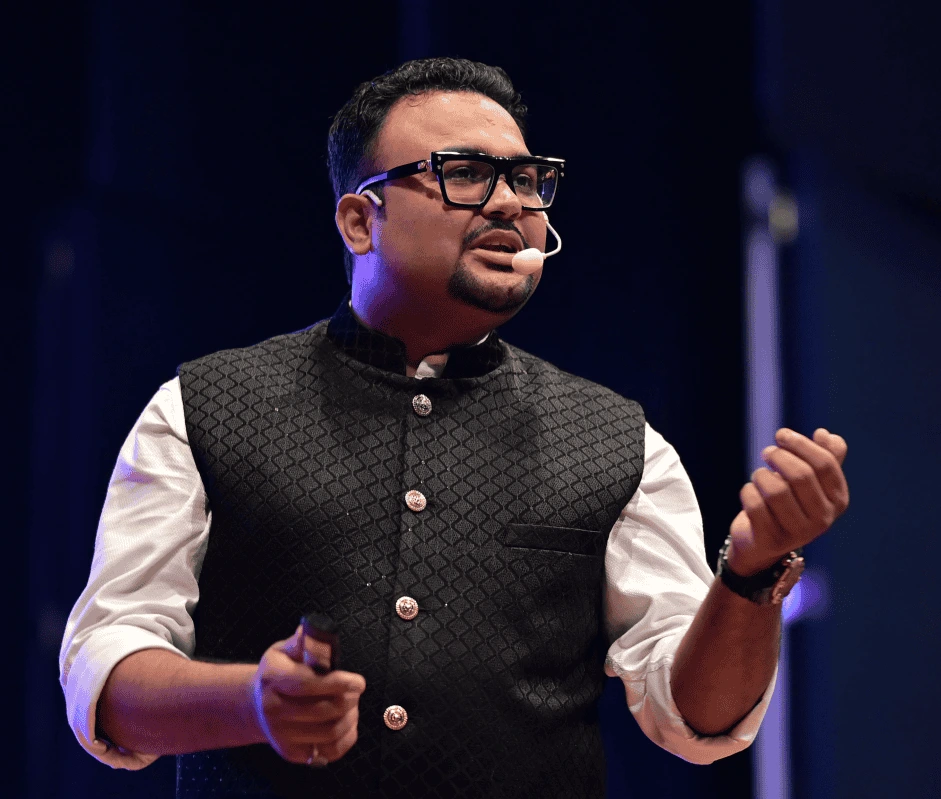
Rahul Malodia is a leading business coach in India, a Chartered Accountant, and the creator of the transformational Vyapari to CEO (V2C) program. With a mission to empower MSMEs, he has trained over entrepreneurs to systemize operations, manage working capital, and scale their businesses profitably.
Known for transforming traditional business owners into confident CEOs, Rahul delivers India’s top business coaching programs through bootcamps, workshops, and online courses. His practical strategies and deep industry insights have made him a trusted name among entrepreneurs seeking sustainable and scalable growth.
