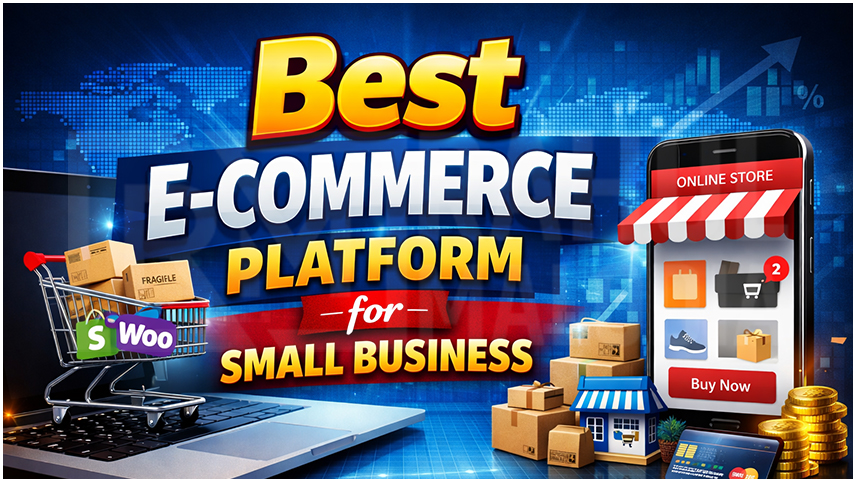
Best E-Commerce Platform for Small Business
Imagine you're a young entrepreneur in Jaipur, running a small handicraft shop passed down from your family.
Mornings start with arranging colorful textiles on dusty shelves, hoping foot traffic picks up.
Then, one day, you hear about online stores transforming lives. A neighbour's spice business doubled sales by going digital. You wonder if this could be your breakthrough. That's the reality for countless Indian small business owners today.
With India's e-commerce market hitting $225 billion in 2026, growing at 12.4% from last year, the opportunity feels real. But choosing the right platform isn't just about listing products; it's about building a future-proof business that fits your budget, skills, and dreams.
The E-Commerce Boom in India
India's online shopping scene has exploded, driven by affordable smartphones and reliable internet. Over 260 million shoppers now buy everything from groceries to gadgets online. And this is a great opportunity for small businesses to reach customers beyond their local market.
Government initiatives like Digital India have boosted this growth, with MSME adoption of digital tools reaching 53%. E-commerce isn't a luxury anymore; it's essential.
Projections show the market doubling to $300 billion by 2030, with quick commerce and social selling leading the charge.
Small players, especially in Tier-2 cities like Jaipur, are grabbing a slice, thanks to platforms that handle logistics and payments seamlessly.
Why Small Businesses Need the Right Platform
Starting online feels overwhelming when you're juggling inventory and daily operations. The wrong choice leads to high fees, clunky interfaces, or limited reach. In India, where 60 million MSMEs contribute 30% to GDP, picking a platform that supports local needs is key.
Think about payment gateways like UPI or Razorpay integration, vital for trust. Data shows MSMEs using e-commerce see 65% turnover growth. But not all platforms suit beginners. Some demand coding skills, while others offer drag-and-drop ease.
Your choice should align with your scale: a solopreneur selling handmade jewellery needs simplicity, unlike a growing apparel brand eyeing exports.
Shopify: Global Powerhouse with Local Appeal
Shopify stands out as a favourite for many Indian entrepreneurs. It powers over a million stores worldwide, including big names like Boat in India. Starting at ₹1,499 monthly, it offers ready themes and apps for everything from SEO to abandoned cart recovery.
In 2026, with India's e-commerce adoption soaring, Shopify's AI tools help personalise shopping, boosting conversions by up to 20%.
Compared to others, it's pricier but scales effortlessly, think adding international shipping without headaches.
A Jaipur-based tea seller I know switched to Shopify and saw sales jump 40% through its mobile app, managing orders on the go.
WooCommerce: Budget-Friendly Customisation
If you're tech-savvy and watching every rupee, WooCommerce shines. It's free, built on WordPress, and used by 28% of online stores globally. In India, small businesses love it for low costs; hosting starts at ₹300 monthly.
You get full control: customize themes, add plugins for GST compliance, and integrate with local couriers. Unlike Shopify's subscription model, WooCommerce avoids ongoing fees, making it ideal for bootstrapped startups.
But it requires setup effort. A Mumbai artisan using WooCommerce expanded her candle business nationwide, saving 30% on fees compared to paid platforms.
Its flexibility edges out rigid options, though beginners might need a developer initially.
BigCommerce: Built for Growth
For businesses planning to scale fast, BigCommerce offers robust features without the complexity. Priced from ₹3,200 monthly, it handles multi-channel selling, think syncing with Amazon or Flipkart.
In India's competitive market, where e-retail GMV hits $200 billion, its built-in SEO and analytics give an edge. No transaction fees on payments, unlike some rivals, keep profits higher.
Compared to WooCommerce, it's less hands-on but more enterprise-ready. A Delhi electronics seller grew from 100 to 1,000 orders monthly using BigCommerce's inventory tools, avoiding stockouts during festivals.
It's perfect if you're eyeing B2B or international markets, with strong support for Indian regulations.
Dukaan: Tailored for Indian Entrepreneurs
Dukaan feels like it was made for India's bustling streets. Starting at ₹699 monthly, it's mobile-first, letting you build a store in minutes via app. No coding needed, ideal for micro-entrepreneurs in rural areas.
It integrates UPI and WhatsApp ordering, tapping into India's 500 million WhatsApp users. In 2026, with government pushes like ONDC, Dukaan's low fees and local focus stand out. Unlike global giants, it avoids currency conversion hassles.
A Rajasthan farmer used Dukaan to sell organic produce directly, increasing revenue by 50% without middlemen. It's simpler than WooCommerce but lacks advanced apps, suiting starters over scalers.
Other Contenders: Wix, Zoho, and More
Beyond the big names, options like Wix appeal to creative sellers. At ₹1,400 monthly, its drag-and-drop builder creates stunning sites, perfect for fashion or art businesses.
Zoho Commerce, integrated with Zoho's ecosystem, starts at ₹2,000 and suits SMEs needing CRM ties. Instamojo focuses on payments, great for solopreneurs. Shopaccino, an India-centric SaaS, offers all-in-one scalability.
These alternatives often undercut Shopify on price while matching features for small setups. A Bangalore boutique owner picked Wix for its designs, outperforming basic WooCommerce sites in customer engagement.
Each fills niches, like Zoho's Zoho ecosystem for streamlined operations.
Key Features to Look For
Ease of use tops the list, platforms with intuitive dashboards save hours. Mobile optimization is non-negotiable, as 70% of Indian shoppers use phones. Look for inventory management that prevents overselling, especially during sales spikes.
Analytics tools reveal what's working, like which products fly in monsoon season. Customization matters too, add Indian festivals to calendars or localize content. Security features, like SSL certificates, build trust.
In comparison, Shopify excels in apps, while BigCommerce wins on multi-currency. For example, in India, you have to ensure the feature of GST invoicing and regional language support so that you can connect with diverse buyers.
Cost Breakdown and Hidden Fees
Budgeting smartly avoids surprises. Shopify's plans range from ₹1,499 to enterprise levels, but add 2% transaction fees without their gateway. WooCommerce is free, but plugins and hosting add up to ₹5,000 yearly.
BigCommerce skips extra fees, starting at ₹3,200. Dukaan's low entry hides premium add-ons for advanced shipping. Overall, annual costs for a small store hover at ₹10,000-50,000.
Data shows 40% of MSMEs cite costs as barriers, so the scalability factor, as cheap now, might limit growth.
A Kolkata spice trader saved 25% switching to WooCommerce, dodging Shopify's extras.
Integration with Indian Payment Systems
Seamless payments turn browsers into buyers. Platforms supporting UPI, Paytm, and Razorpay reduce cart abandonment by 30%. Shopify and BigCommerce integrate natively, handling GST automatically.
WooCommerce plugins make it flexible for custom gateways. Dukaan's WhatsApp focus leverages India's chat commerce boom.
With digital payments at 85% of transactions, compatibility is crucial.
Government policies like UPI's zero fees boost this. A Hyderabad jeweler integrated Razorpay on Shopify, seeing 35% more repeat customers through easy refunds.
Security and Compliance in the Indian Market
Trust is everything in e-commerce. Platforms with PCI DSS compliance protect card data, vital as cyber threats rise.
Shopify's built-in fraud analysis flags suspicious orders. WooCommerce requires add-ons, but offers control. BigCommerce includes SSL and GDPR tools, aligning with India's DPDP Act. For MSMEs, adhering to FDI rules, no inventory ownership for foreign-funded platforms, avoids penalties.
In 2026, with data privacy laws tightening, choose platforms with audit trails. A Chennai apparel seller on Dukaan complied effortlessly, building loyalty amid rising consumer awareness.
Real Stories from Indian Sellers
Take Hebe Wellness, started by Arun Bakshi in 2023. Using Shopify, they scaled CBD products nationwide, hitting retail through e-commerce.
Smylo, a cat care brand, grew via WooCommerce, reaching thousands via quick commerce. Lenskart's hybrid model, online with physical try-ons, boosted sales 50%. These stories show platforms enabling dreams.
A Punjab toy maker on BigCommerce exported globally, thanks to multi-currency. MSMEs report 21-30% sales jumps post-adoption.
In Tier-2 towns, Dukaan helped a handmade jewelry seller triple their income, proving tech levels the field.
Navigating Government Support and Policies
India's policies fuel the e-commerce fire. Budget 2026's ₹10,000 crore SME Growth Fund aids digital shifts. Removal of ₹10 lakh export caps helps small sellers go global. ONDC democratizes access, onboarding 5 lakh MSMEs.
Digital India boosts broadband, reaching remote areas. FDI allows 100% in marketplaces, attracting investments. MSMEs get credit guarantees, easing loans for platform setups. With 53% adoption, these initiatives close gaps.
A Gujarat handicraft owner used ONDC via Dukaan, accessing Flipkart-level reach without fees.
In wrapping up, finding the best e-commerce platform boils down to your vision: Shopify for polish, WooCommerce for thrift, BigCommerce for ambition, and Dukaan for roots. Each weaves into India's vibrant market, where facts meet opportunity.
As Rahul Malodia, a globally relevant business strategist and entrepreneur, often shares, his insights translate real-world experience into scalable thinking.
He simplifies complex challenges into clear frameworks applicable to solopreneurs, growing enterprises, and large organizations alike.
His strategic voice resonates for business owners worldwide, reminding us that smart choices build lasting success.
- Ecommerce business model


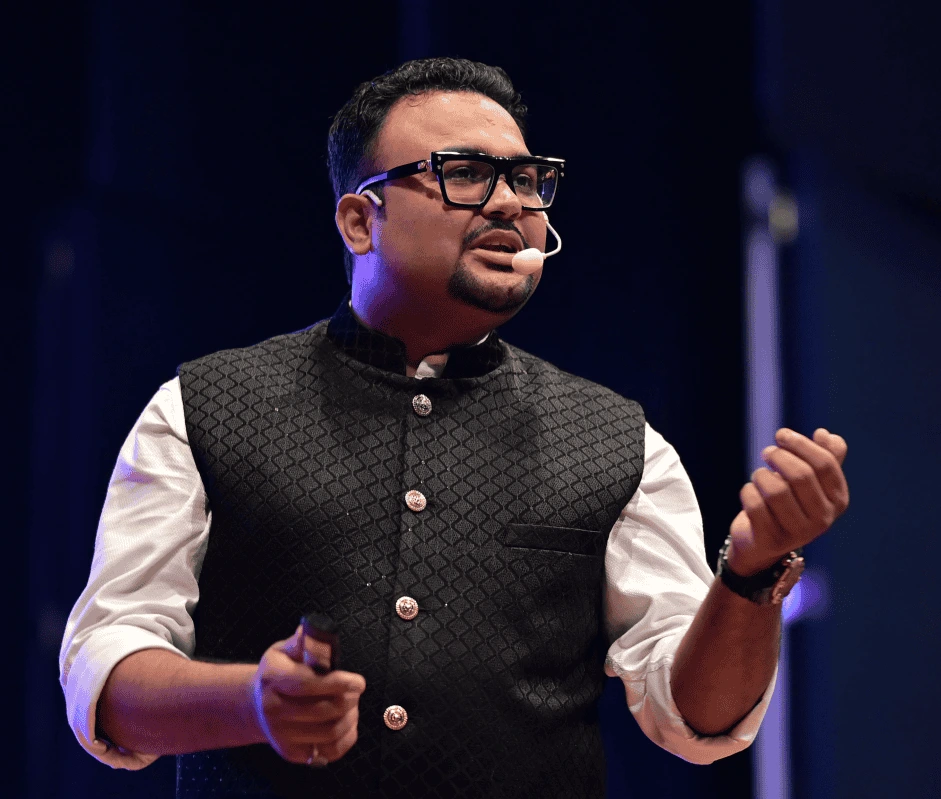
Rahul Malodia is a leading business coach in India, a Chartered Accountant, and the creator of the transformational Vyapari to CEO (V2C) program. With a mission to empower MSMEs, he has trained over entrepreneurs to systemize operations, manage working capital, and scale their businesses profitably.
Known for transforming traditional business owners into confident CEOs, Rahul delivers India’s top business coaching programs through bootcamps, workshops, and online courses. His practical strategies and deep industry insights have made him a trusted name among entrepreneurs seeking sustainable and scalable growth.
