
Ather Energy: Building a Premium EV Brand in India
Ather Energy: Building a Premium EV Brand in India
Picture this. You’re stuck in Bengaluru traffic on a humid evening, petrol fumes thick in the air, and your traditional scooter feels like a relic from another era. Then a silent, sleek machine glides past, zero noise, instant pickup, and a dashboard that feels like it belongs in a premium car.
That’s the moment many Indian riders first fell for Ather Energy. In just over a decade, this Bengaluru-born company has turned electric scooters into a statement of smart, aspirational mobility. It isn’t chasing volume at any cost. Instead, Ather is quietly building something rarer in India’s crowded two-wheeler market: a genuine premium brand that commands loyalty and respect.
How Ather Energy Rewrote the Rules of Indian Mobility
Ather didn’t start with a factory or massive capital. It began in 2013 with two engineers who believed Indian riders deserved better than noisy, polluting commutes.
By 2018, when the first scooters hit the road, the EV dream was still fragile. Yet Ather focused on what most ignored: software, design, and rider experience.
Today, with over 500 experience centres and a fast-charging network touching 4,357 points, the brand has moved from niche curiosity to serious contender.
Indian entrepreneurs watching this journey see a clear lesson: premium isn’t about price alone. It’s about solving real pain points in a market where families still ride 40-50 km daily in chaotic cities.
The Premium Play: Why Ather Bet on Quality Over Quantity
In a country obsessed with affordable options, Ather chose the harder road. Its scooters, like the 450X and Rizta, start above ₹1.2 lakh and go up to nearly ₹1.9 lakh for the Apex. That’s premium territory. Yet sales tell the story.
Ather moved 223,632 units in 2025, a solid 73 per cent jump from 131,321 the previous year. The Rizta family scooter has become the volume driver, proving that premium can also feel practical for Indian households.
Founders understood that middle-class buyers in Jaipur, Pune, or Coimbatore want more than just low running costs. They want pride of ownership.
Inside Ather’s Tech Edge That Indian Riders Love
Open any Ather, and you’ll notice the difference immediately. The 7-inch touchscreen, over-the-air updates, and intuitive app integration feel futuristic on Indian roads.
Acceleration from 0 to 40 km/h in under 3.3 seconds on the 450X makes city overtakes effortless. Fast charging adds 30 km in 10 minutes, perfect for the gig worker rushing between deliveries or the executive beating office traffic.
While many competitors focused on range on paper, Ather delivered consistent real-world performance and software that keeps improving without a visit to the service centre. This tech-first approach has turned riders into fans who are willing to pay more.
From Bengaluru to Bharat: Scaling the Network Smartly
Ather’s growth isn’t random. It started strong in South India, holding a commanding 24.4% market share there. Then it pushed into Central and North India, nearly doubling its presence in states like Maharashtra and Gujarat to 17.4%. By early 2026, the company had reached 600 dealerships and planned to reach 700.
The new Factory 3.0 in Maharashtra will eventually push total capacity to 1.42 million units annually. For Indian startup founders, this expansion blueprint feels familiar yet instructive, build deep roots in home markets before spreading thin.
Here’s a quick look at how Ather’s sales momentum built over recent years:
| Year | Units Sold | YoY Growth |
| 2024 | 131,321 | - |
| 2025 | 223,632 | 73% |
| Q3 FY26 | 67,851 | 50% |
The numbers show steady, profitable scaling rather than reckless volume chasing.
Battling Giants: Ather vs Ola, TVS, and Bajaj
Ather doesn’t compete on the lowest price. Ola Electric once led on volume but saw sales drop sharply in 2026, sliding to fifth place with quality and service concerns hurting trust.
TVS iQube and Bajaj Chetak dominate mass segments with practical, lower-priced options and strong dealer networks. Yet Ather holds its premium lane with superior performance and connected features.
In March 2026 alone, Ather delivered over 33,000 units while maintaining 18.8 per cent national market share in key quarters.
Consider this side-by-side view of how the leading premium and mass EV scooters stack up in 2026:
| Brand/Model | Starting Price (₹) | IDC Range (km) | Top Speed (km/h) | Standout Strength |
| Ather 450X | 1,47,999 | 161 | 90 | Performance & software |
| Ather Rizta | 1,07,499 | 159 | - | Family practicality |
| TVS iQube | ~1,11,000 | ~145 | 82 | Comfort & service network |
| Bajaj Chetak | ~1,20,000 | - | - | Stylish legacy appeal |
| Ola S1 | Lower entry | Higher claimed | Variable | Aggressive pricing |
Ather wins where it matters most to its buyer—confidence in the ride and ownership experience.
Riding the Policy Wave: EV Incentives Shaping Ather’s Journey
India’s EV push, from FAME schemes to the PM E-DRIVE programme (which ran till March 2026), gave every player a boost. Subsidies lowered effective costs and encouraged home charging.
Ather used this window smartly, investing in local manufacturing and R&D instead of relying solely on incentives. As policies evolve and subsidies taper, brands with strong fundamentals, like Ather, are better placed to sustain growth.
Entrepreneurs in MSMEs or startups see the parallel: government support helps, but long-term success comes from building real value.
Real Stories from Indian Roads: What Owners Say
Talk to an Ather owner in Hyderabad or Lucknow, and you hear the same thing. The scooter feels premium yet practical for school runs, office commutes, and weekend family trips.
One founder in Pune shared how the app’s navigation and theft alerts gave him peace of mind when his teen started riding.
Another gig worker in Chennai praised the quick charging that lets him finish more deliveries without range anxiety. These aren’t just sales figures. They’re daily proofs that a premium Indian EV brand can win hearts in a price-sensitive market.
Overcoming Hurdles: Lessons in Building Trust in EVs
No journey is smooth. Early Ather faced battery concerns, limited service reach, and competition from legacy giants. The company responded by focusing on transparency, clear warranty terms, visible charging networks, and constant software upgrades.
Losses narrowed dramatically as volumes grew and manufacturing costs fell. In Q3 FY26, revenue hit a record ₹995.7 crore while EBITDA margins improved sharply.
For any Indian business owner scaling a new category, the takeaway is clear: invest in trust and infrastructure before chasing headlines.
The Expansion Blueprint: Factories, Charging, and Beyond
Ather’s Hosur plants already deliver over 420,000 units yearly. The Maharashtra facility adds serious scale. Combined with a dense charging grid, this infrastructure gives riders confidence that an Ather won’t leave them stranded.
The brand is also eyeing exports and newer models. Indian CXOs and founders studying this see a masterclass in capital allocation, raise smart money (over $500 million total), build capacity ahead of demand, and stay focused on the rider.
What Ather Teaches Every Indian Entrepreneur About Premium Branding
In a market flooded with options, Ather proves that premium EV brands can thrive when they respect Indian realities, family needs, traffic chaos, and aspiration. It’s not about being the cheapest or the loudest. It’s about delivering consistent joy and reliability on roads that test every vehicle daily.
As someone who has guided numerous Indian startups through scaling challenges, I’ve seen that the brands that endure are those that turn customers into believers. Ather Energy is doing exactly that, one silent, confident ride at a time.
- Business Case study
- Market Analysis


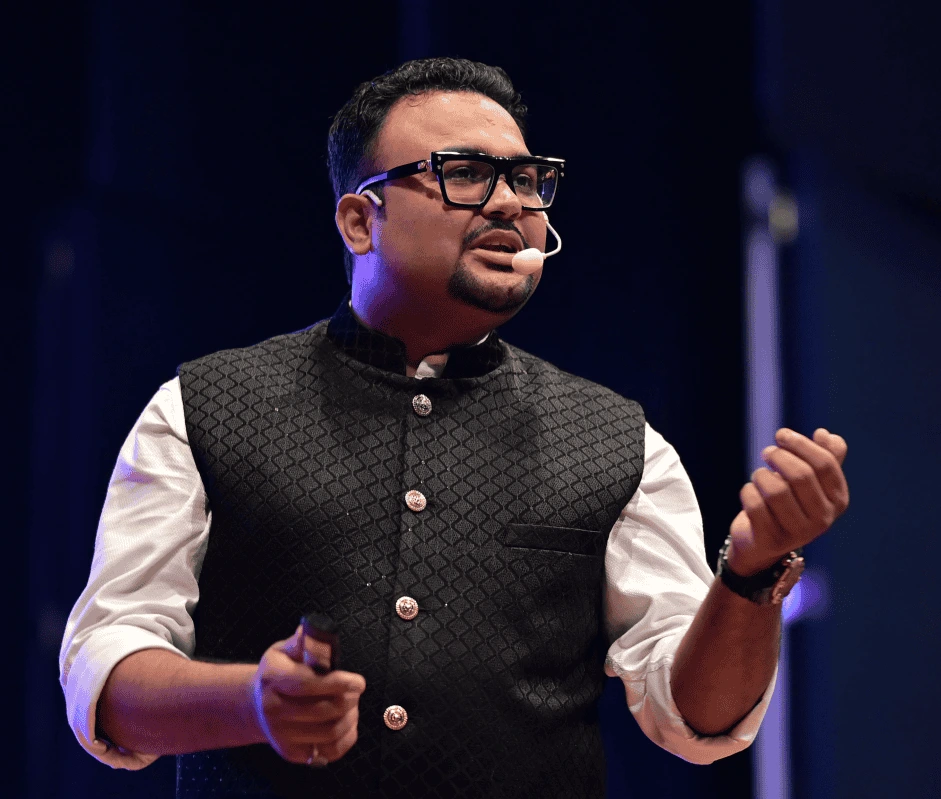
Rahul Malodia is a leading business coach in India, a Chartered Accountant, and the creator of the transformational Vyapari to CEO (V2C) program. With a mission to empower MSMEs, he has trained over entrepreneurs to systemize operations, manage working capital, and scale their businesses profitably.
Known for transforming traditional business owners into confident CEOs, Rahul delivers India’s top business coaching programs through bootcamps, workshops, and online courses. His practical strategies and deep industry insights have made him a trusted name among entrepreneurs seeking sustainable and scalable growth.
