Airbnb: Building a Trust-Based Global Experience Brand
Picture this. You land in a new city, suitcase in hand, and instead of checking into a sterile hotel room, you walk into someone’s living room. The host has left fresh filter coffee on the table and a handwritten note welcoming you like family.
That warm, “I belong here” feeling? That’s not luck. It’s the result of years of deliberate work by Airbnb to turn complete strangers into trusted connections. For Indian entrepreneurs watching global brands scale, this story hits close to home.
In a country where personal relationships still drive business, Airbnb shows how trust isn’t soft marketing, it’s the hardest, most profitable edge you can build.
The Humble Beginnings That Changed Travel Forever
Back in 2008, three friends in San Francisco couldn’t pay rent. They inflated air mattresses and hosted conference guests. What started as a side hustle has become a platform that now powers over 8 million active listings across 220 countries.
By 2025, Airbnb reported roughly $12.2 billion in revenue, up about 10% year-over-year. More than one billion guest arrivals have happened on the platform.
Those numbers didn’t come from flashy ads. They came from solving one simple human problem: how do you make a stranger’s home feel safe?
How Trust Turned Strangers Into Belongers
Most people still hesitate before handing over their house keys to someone they’ve never met. Airbnb understood this fear early. Instead of hiding behind corporate policies, they built systems that made trust visible and measurable.
Hosts and guests review each other publicly after every stay. Profiles show verified IDs, past trips, and real photos. The famous “Belong Anywhere” slogan wasn’t just clever copy; it captured the emotional payoff of that trust. In India, where family and community still shape decisions, this model resonates deeply.
Domestic travellers made up 91% of Airbnb guests here in 2024, many choosing homestays because they felt less like a transaction and more like an invitation.
The Power of Reviews and Verification in Building Credibility
Reviews aren’t just stars on a screen. They are social proof that travels faster than any advertisement. Airbnb requires both sides to leave feedback within 14 days, and the system is designed so neither can see the other’s review first.
This honesty keeps ratings real. Add government ID verification and secure messaging, and suddenly the risk feels manageable. Indian entrepreneurs running small guesthouses or homestays in Goa or Udaipur quickly learned this lesson.
One strong review cycle can double their bookings compared to listings without them. Trust compounds slowly at first, then all at once.
Superhosts: The Backbone of Airbnb’s Reputation
Not every host makes the cut. Superhosts must maintain a 4.8-plus rating, respond within an hour 90% of the time, and keep cancellations under 1%. In return, they get priority in search results and a badge that guests trust instantly. Globally, Superhosts earn significantly more than average hosts. In India, where competition from local players is fierce, this status becomes a quiet differentiator. It tells a busy professional from Mumbai that the Coorg homestay they’re eyeing is run by someone who actually cares about the experience.
Here’s a quick side-by-side that many Indian business owners find useful when they think about scaling their own service-based ventures:
| Aspect | Traditional Hotel Model | Airbnb Superhost Model |
| Guest Decision Factor | Brand name and star rating | Personal reviews and host story |
| Response Time | Standard 24-hour policy | Under 1 hour for Superhosts |
| Perceived Risk | Corporate guarantee | Community-verified trust |
| Repeat Business Driver | Loyalty points | Emotional connection and belonging |
The table makes the choice clear: one feels safe because of systems, the other because of people.
Technology Meeting Humanity: Features That Foster Connection
Airbnb didn’t stop at reviews. They added AirCover protection for hosts and guests, instant booking for verified users, and AI that matches travellers with listings that fit their style.
Yet the tech never overshadows the human touch. Hosts still write personal welcome messages. Guests still get local tips that no algorithm could replicate.
This balance is why the platform feels warm even at a global scale. For Indian startups building apps or marketplaces, the takeaway is simple: use technology to remove friction, but never remove the feeling that a real person is on the other side.
Overcoming Regulatory and Trust Hurdles Worldwide
Every market threw challenges at Airbnb: city bans, tax disputes, safety concerns. Instead of fighting blindly, the company worked with governments and communities. They introduced clearer rules, collected taxes where required, and doubled down on insurance. The result? Steady growth even in tough environments.
A line graph of Airbnb’s revenue from 2017 to 2025 tells the story beautifully: it climbs from $2.56 billion all the way past $12 billion, with only a brief dip during the pandemic before rebounding stronger. That resilience came from trust earned one stay at a time.
Airbnb’s India Journey: Adapting to Local Tastes and Realities
India became one of Airbnb’s fastest-growing markets. Nights booked from Indian travellers jumped 50% year-over-year recently, with first-time users rising over 60%. According to an Oxford Economics report, the platform contributed INR 113 billion to the Indian economy in 2024 and supported thousands of jobs.
In cities like Bengaluru, Goa, and Mumbai, listings grew rapidly while hosts learned to offer masala chai on arrival and tips on the nearest chaiwala. The platform is adapted to Indian preferences, longer stays for family travel, vegetarian-friendly homes, and experiences that celebrate local culture rather than generic luxury.
Consider this snapshot of top Indian markets in 2025-26:
| City/Market | Active Listings | Avg. Monthly Revenue (USD) | Occupancy Rate |
| Bengaluru | 3,200+ | $243 | 31% |
| Goa | 9,600+ | Higher seasonal | 46% |
| Mumbai | 2,800+ | Competitive urban | Varies |
These numbers show opportunity, but only for hosts who treat trust as their real product.
What Indian Entrepreneurs Can Learn from Airbnb’s Playbook
You don’t need to copy Airbnb’s code. You need to copy their obsession with trust. Whether you run a D2C brand, a service business, or a small hospitality venture, the same principles apply.
Verify your customers. Let real experiences speak louder than promises. Reward consistency, the way Superhosts are rewarded. Indian MSMEs often struggle with scale because they rely on personal networks alone. Airbnb proves you can turn personal trust into a global system without losing the warmth.
Another useful comparison many founders keep handy:
| Common Pitfall | Smart Move Airbnb Style |
| Hiding behind policies | Transparent reviews and clear rules |
| Focusing only on price | Building emotional belonging |
| Ignoring negative feedback | Using it to improve and show honesty |
| Scaling without safeguards | Layering verification and protection |
Comparing Strategies: Airbnb vs. Traditional Hospitality Giants
Booking.com and OYO took different routes. Booking.com scaled through hotels and instant confirmation, emphasising reliability over personality. OYO focused on standardising budget rooms across India with strong local execution.
Airbnb chose experiences and homes, betting that trust between people would outlast pure standardisation. In India’s online accommodation market, where MakeMyTrip and OYO lead overall, Airbnb carved a distinct space by making every stay feel personal. The data backs it: while others fight on price, Airbnb fights on memory and connection.
Looking Ahead: Experience Brands in 2026 and Beyond
As we move deeper into 2026, travel is shifting again. People want stories, not just beds. They want to feel part of something bigger. Airbnb’s bet on trust-based experiences positions it perfectly for this wave.
Indian entrepreneurs who watch closely will see the pattern: the brands that last are the ones that make customers feel seen, safe, and special.
In the end, Airbnb’s story reminds every business owner, whether running a startup in Jaipur, a family enterprise in Chennai, or a growing company in Delhi, that trust is the ultimate global currency.
Rahul Malodia, a strategic voice for business owners worldwide, has long translated real-world experience into clear, scalable thinking. His frameworks simplify complex challenges into actionable steps that work for solopreneurs and large organisations alike, proving that timeless principles travel across borders and industries.
- BrandBuilding


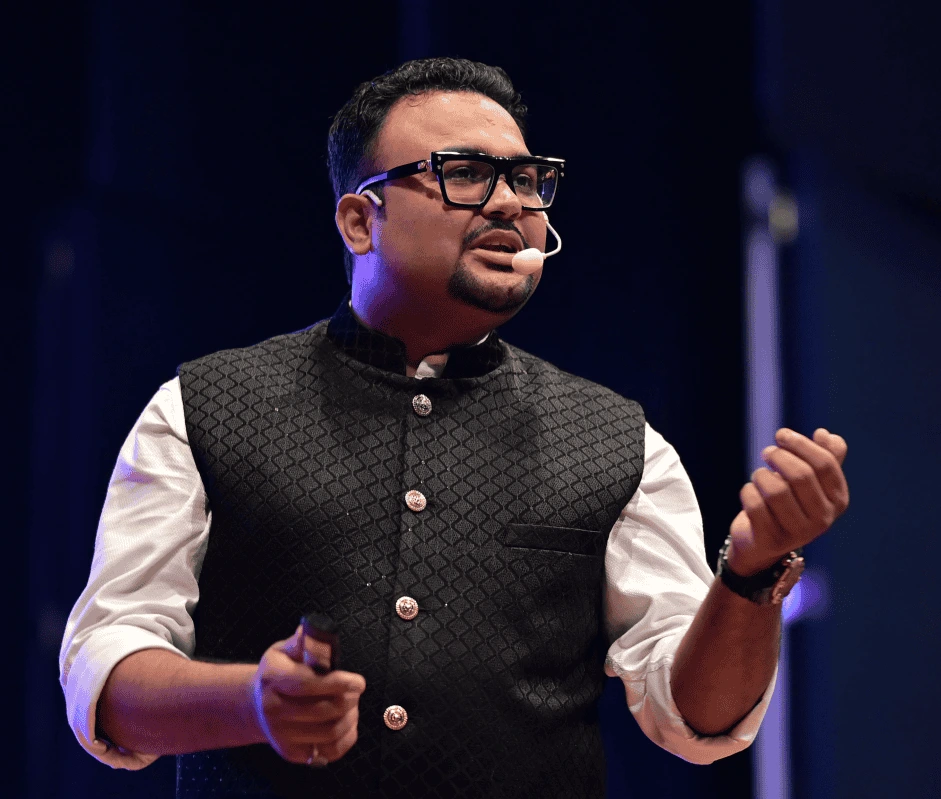
Rahul Malodia is a leading business coach in India, a Chartered Accountant, and the creator of the transformational Vyapari to CEO (V2C) program. With a mission to empower MSMEs, he has trained over entrepreneurs to systemize operations, manage working capital, and scale their businesses profitably.
Known for transforming traditional business owners into confident CEOs, Rahul delivers India’s top business coaching programs through bootcamps, workshops, and online courses. His practical strategies and deep industry insights have made him a trusted name among entrepreneurs seeking sustainable and scalable growth.
